ShatteredDoctrine
Lead the platoon./Carry the cost.
The Cold War just went hot, and it's yours to lead. A real-time tactical leadership game set on the inner-German border, August 1985. You are the lieutenant — not a general moving counters. You know every man, you give the orders, and you live with what they cost.
a. Enemy Forces. Before dawn on 22 August 1985 the Cold War stops being cold. Three echelons of Warsaw Pact armor cross the inner-German border on a timetable rehearsed for forty years — the opening front of the war NATO always knew might come.
b. Friendly Forces. You command at the level where the war is actually decided. Not theatres. Not divisions. One platoon — thirty-odd men who know your name, a radio net, and a piece of ground you have to hold longer than anyone thinks you can.
c. Command. The orders come down. You decide how they are carried out — and who carries them. Shattered Doctrine is the war from inside the lieutenant's boots.
Defend the sector. Delay the advance. Keep your platoon intact.
Three orders. They will not all survive contact — and you decide which one bends.
Hold the line you were promised would hold. An error that saves your platoon now, places you at the impossible odds, as you fight a delaying action against an enemy that outnumbers you and isn't slowing down.
Execute the plan a generation rehearsed. At the tip of the offensive, ordered west and ordered not to stop, you carry a timetable that treats your platoon as a number — and discover what the timetable costs.
You start with NATO's defence. The Warsaw Pact campaign lets you fight the same war from the other side — and multiplayer brings the whole thing head-to-head.
NATO Campaign
Able Sentinel — the outnumbered defence, told as a story-driven single-player campaign.
Warsaw Pact Campaign
Operation Jupiter — the same war from the attacker's chair, the offensive you spent the first campaign surviving.
Multiplayer
Team-based command, players against players, on the ground you learned in the campaigns.
Five things define the experience. None of them is a spreadsheet. All of them come back to the same question — what kind of officer are you when it’s your call?
Command a Platoon
You lead, you don’t manage. No bases to build, no economy to mine — your platoon is already in the field and the job is the fight in front of it. Set the intent, pick the ground, call for support, and your men carry it out the way 1985 trained them to. Close enough to know each soldier; never reduced to moving counters.
Every Order Has a Cost
Your men have names, ranks, and people waiting on them. Some orders spend lives for ground, and the game makes you feel the weight before you give it — and carry it after. The hardest part of command isn’t the enemy.
A Platoon That Becomes Yours
Across a campaign your soldiers earn experience, harden into veterans, and learn to trust you — or don’t. Keep them alive and they become irreplaceable. Lose them and the gap doesn’t fill. The men who finish aren’t the men who started.
1985, To the Manual
The inner-German border, rendered with respect. Bradleys in hull-down overwatch, Soviet squads dismounting off the BMP, the weapons and doctrine of the era modeled the way they actually fought. The war the West trained four decades for.
A Campaign to Carry
Shattered Doctrine launches as a story-driven single-player campaign — the NATO defence, fought mission to mission, your platoon carried through the whole of it. Not a bag of one-off skirmishes. A war you live from one end to the other.
Pause. Read the Ground. Commit.
This is a thinking game, not a reflex test. Hit pause to study the field with everything frozen — read the angles, set your overwatch, call for fire, and lay out your orders — then let it run in real time and find out what the plan was worth. The pressure isn't your hands. It's living with the call.
“You don't get to be certain. You get to decide.”
Every Name You Can Lose.
The medic has a first name. The driver has a hometown half the platoon can't pronounce. When an order puts them in the open you feel it before you give it — and when it goes wrong, the platoon remembers, and so do you.
This is a war about people, not counters. It never lets you forget which men you spent to take the ground — or which gap in the roster doesn't fill back in.
The Quiet Between Contacts.
When the shooting stops, you harbour up. The vehicles pull into a defensive circle, crews refuel and rearm, the wounded get worked on, and you walk the position — checking your men, hearing them out, weighing who's steady and who's spent before you move again.
It's where a platoon gets put back together between one set of orders and the next. The laager is quiet. It is not safe.
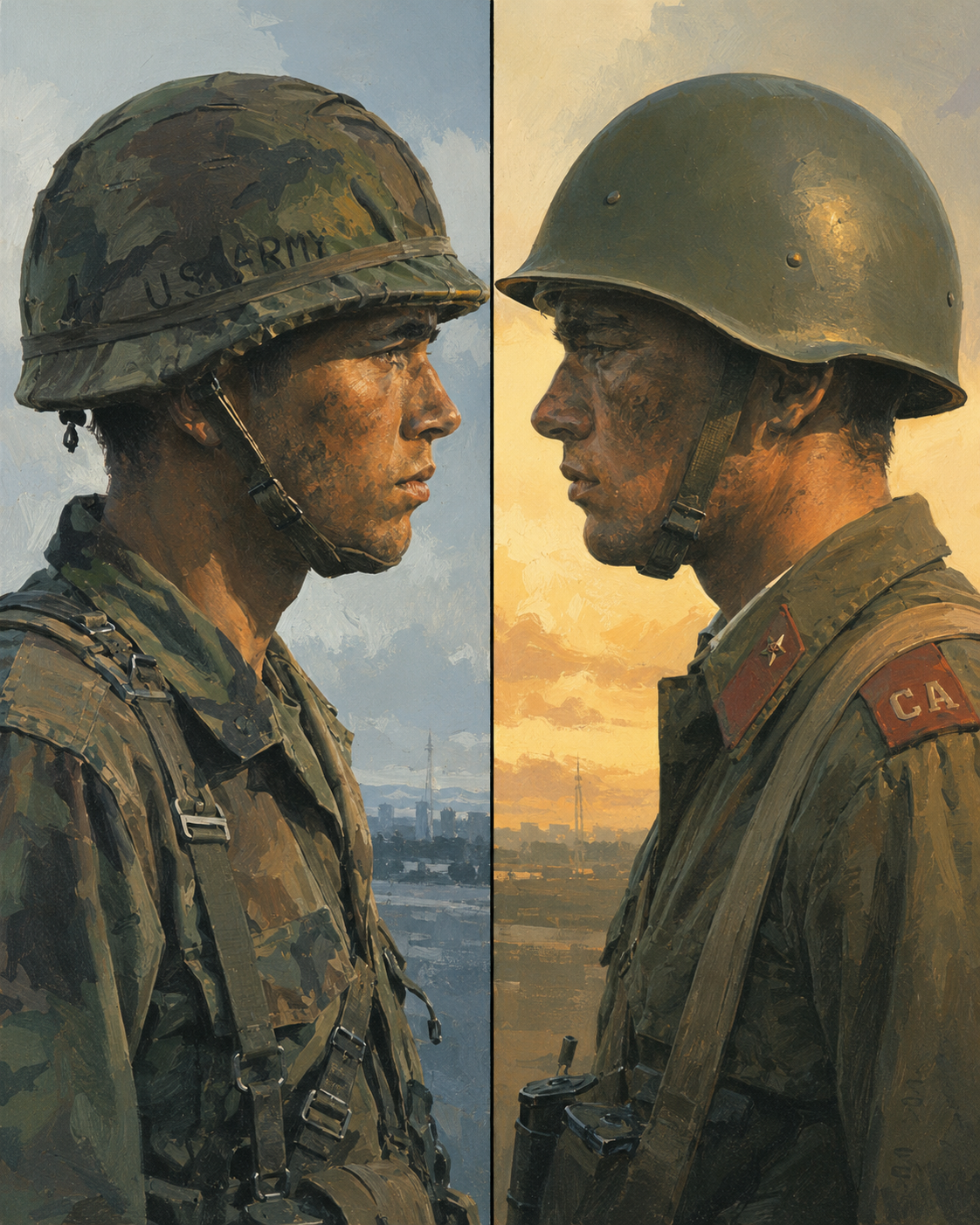
// Imagery placeholder — pre-alpha. Captures to follow.
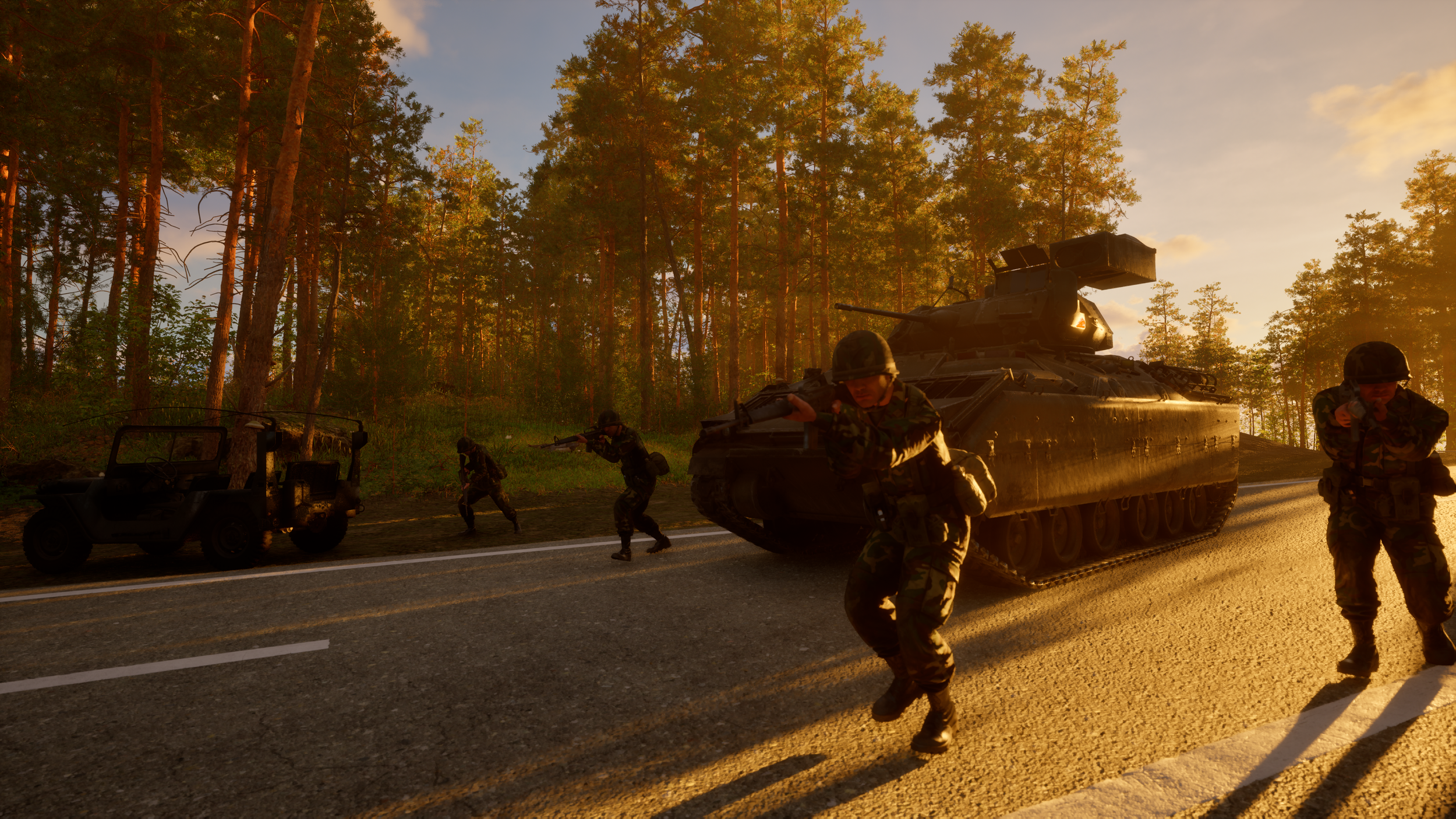
US Mechanized Infantry Squad, West Germany, circa 1985
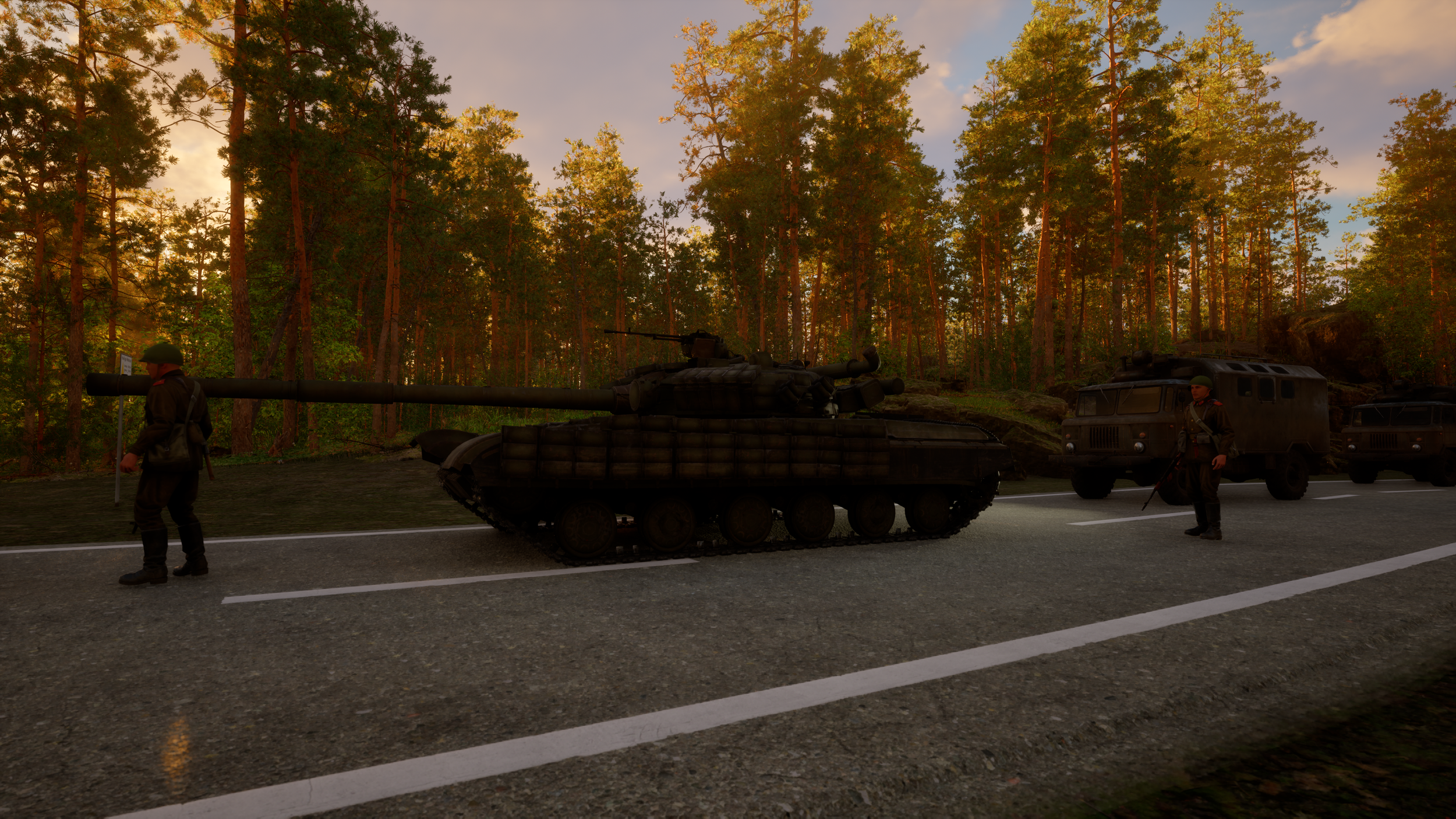
Soviet Convoy, West Germany, circa 1985
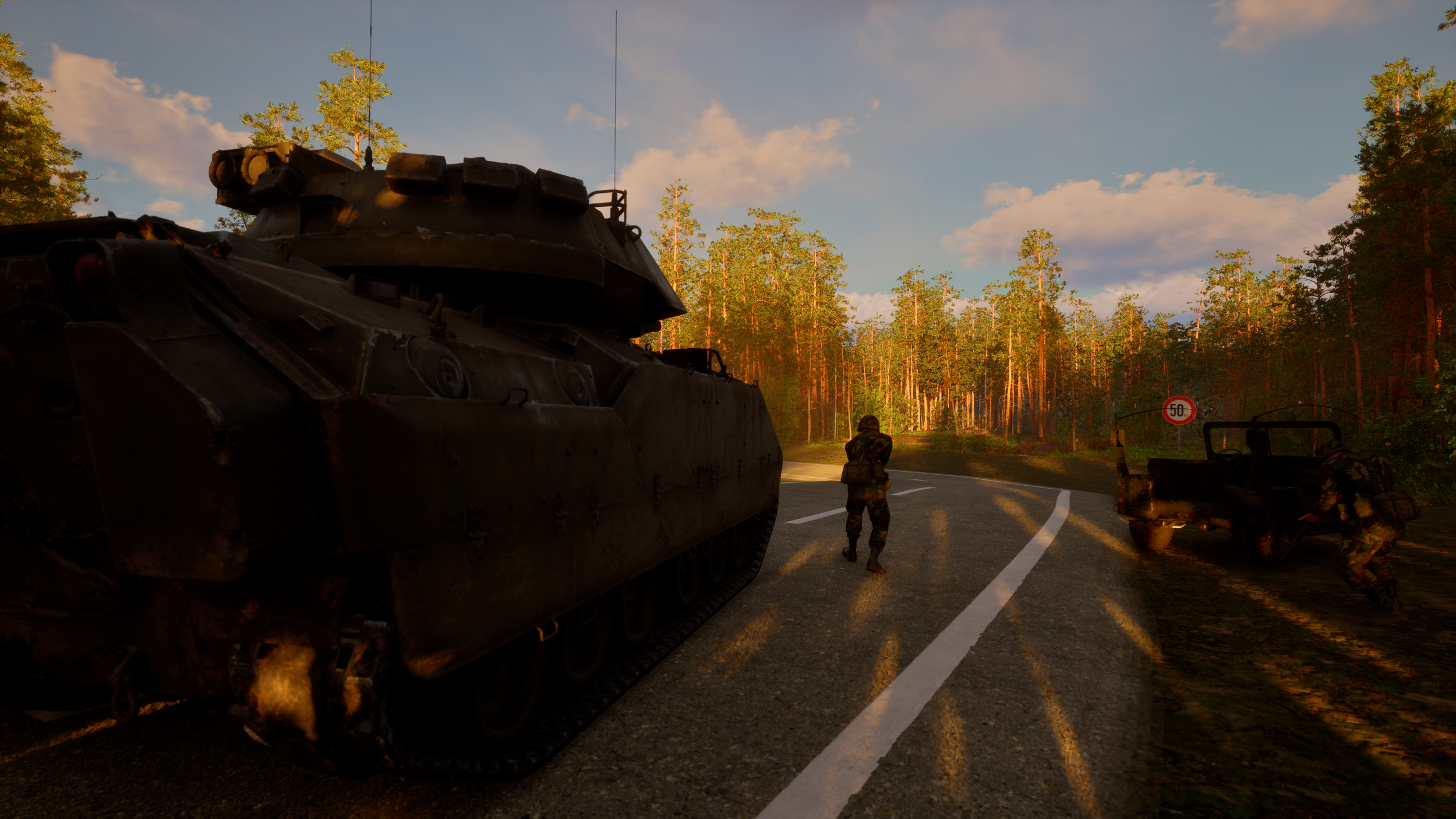
US Mechanized Infantry Squad, West Germany, circa 1985
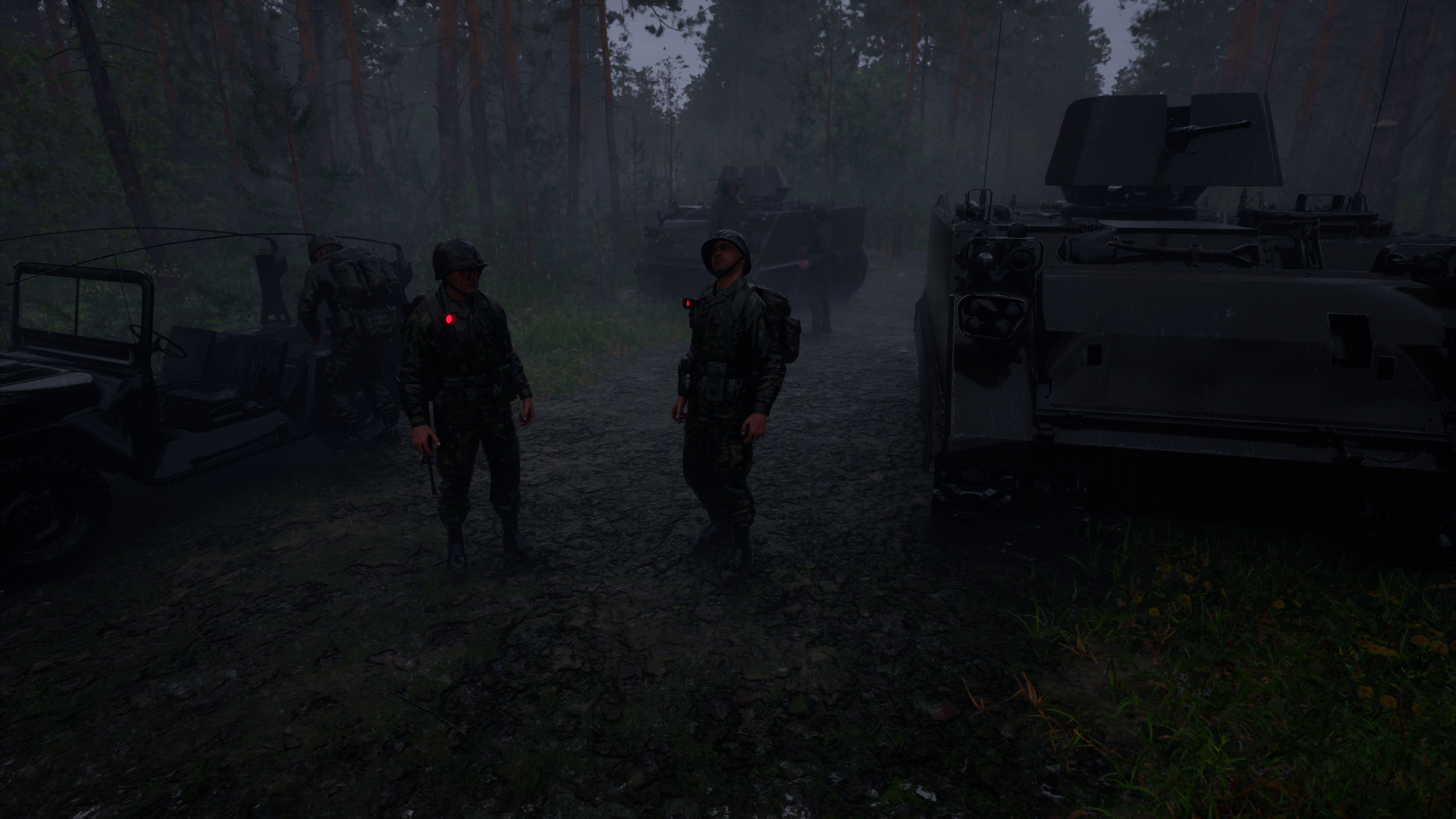
US Mechanized Squad on exercise, West Germany, August 1985
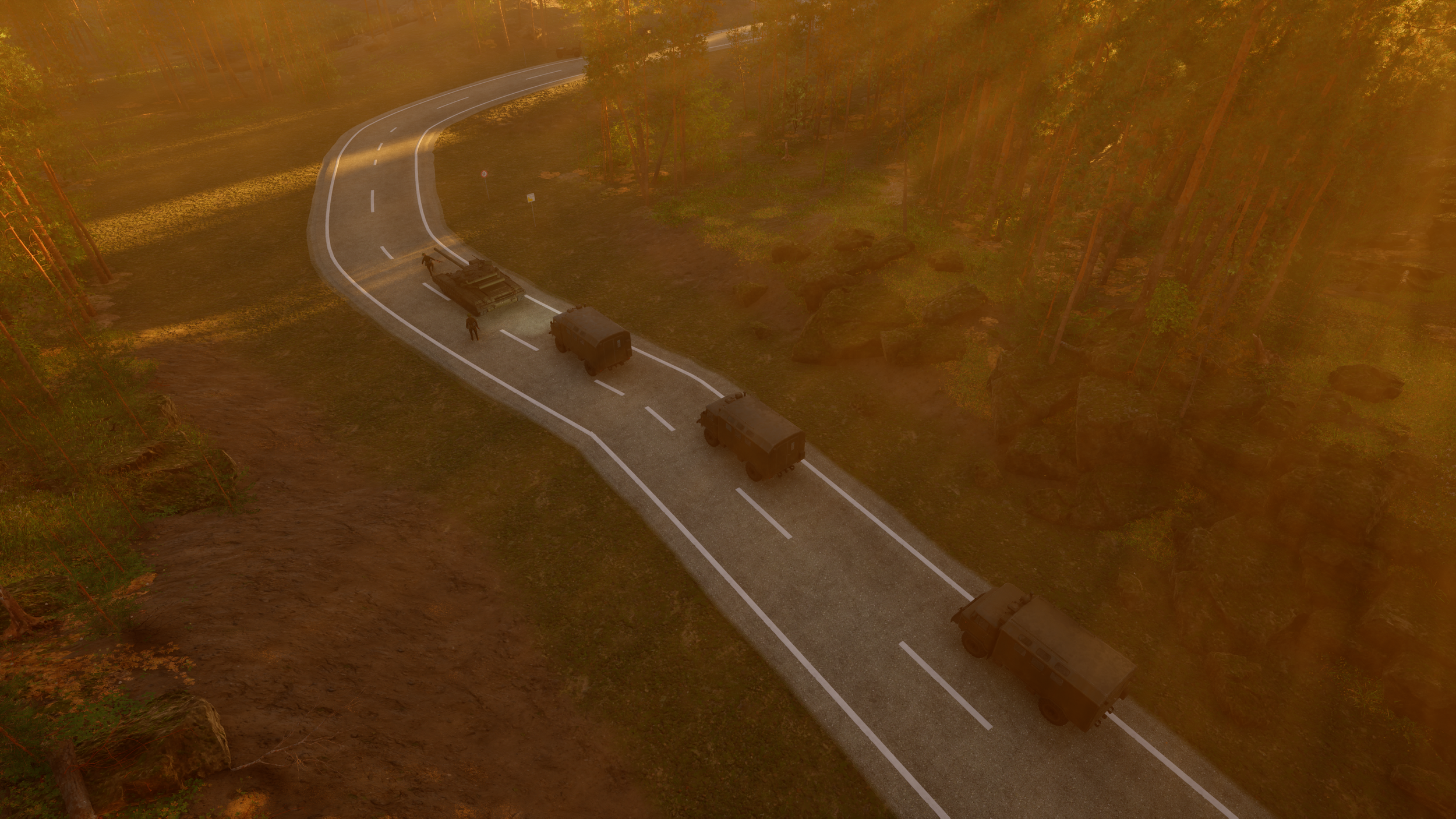
Soviet Convoy, West Germany, circa 1985
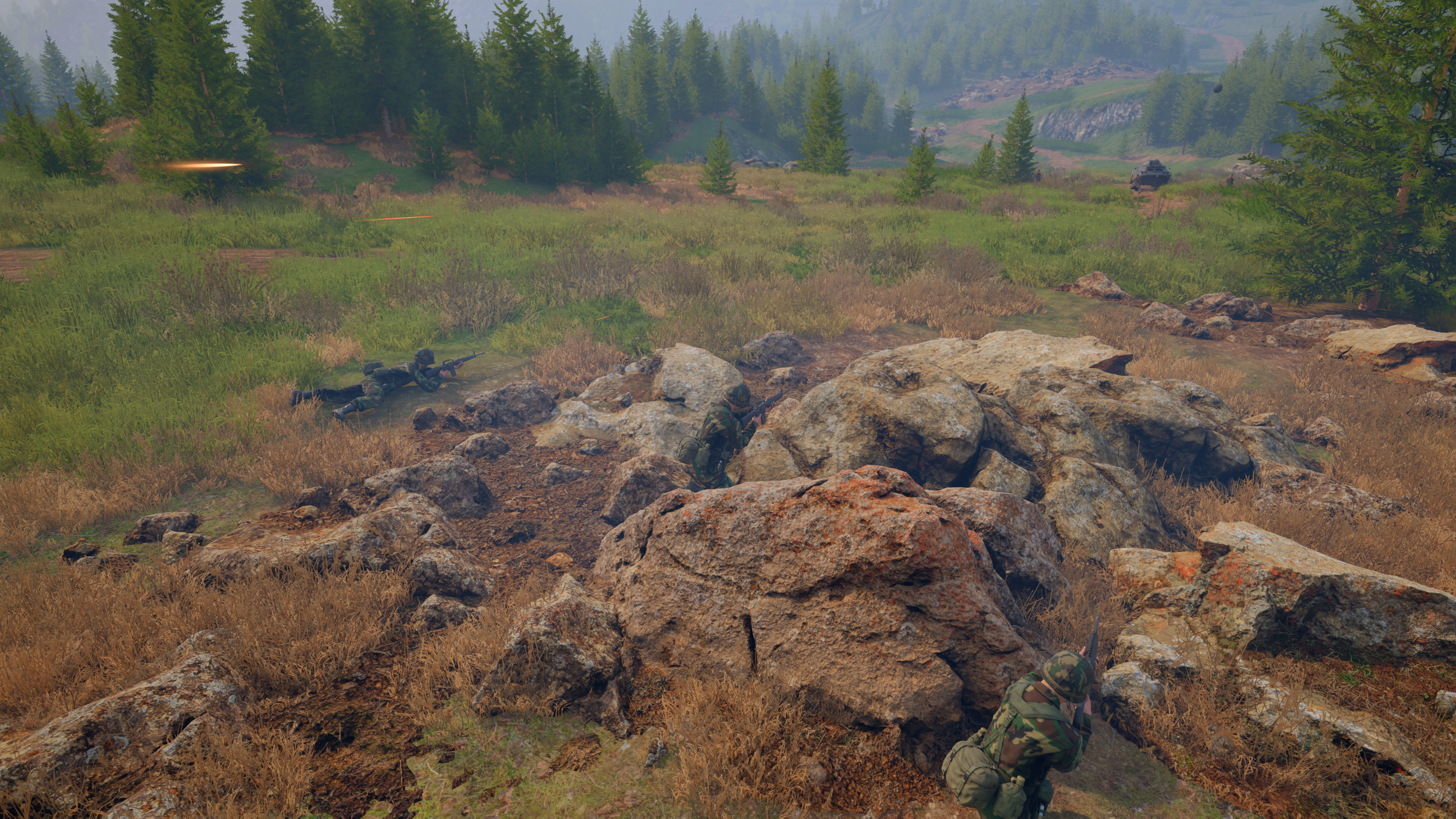
Ambush. In-game Unreal Engine 5.
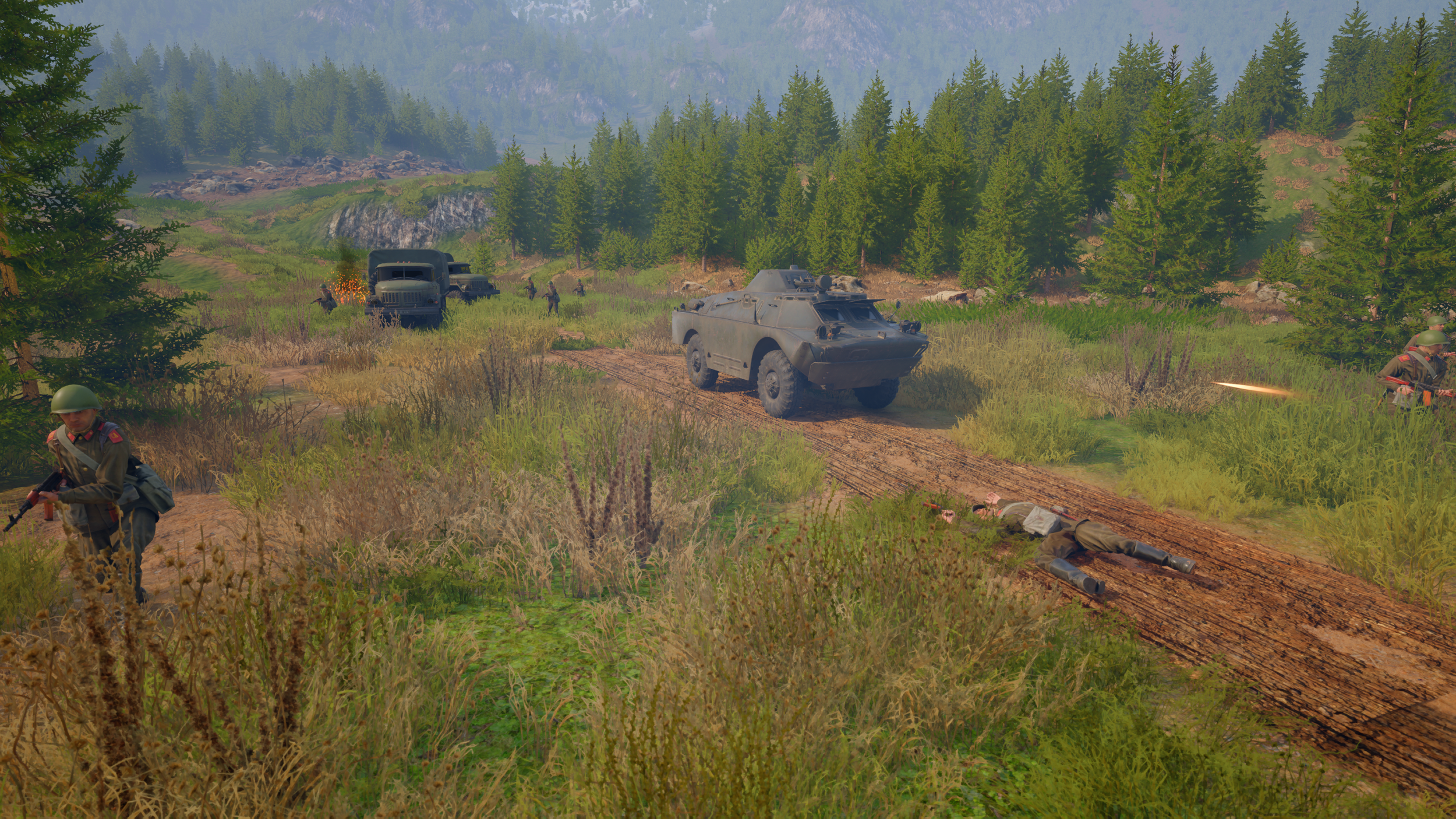
Ambush. In-game Unreal Engine 5.
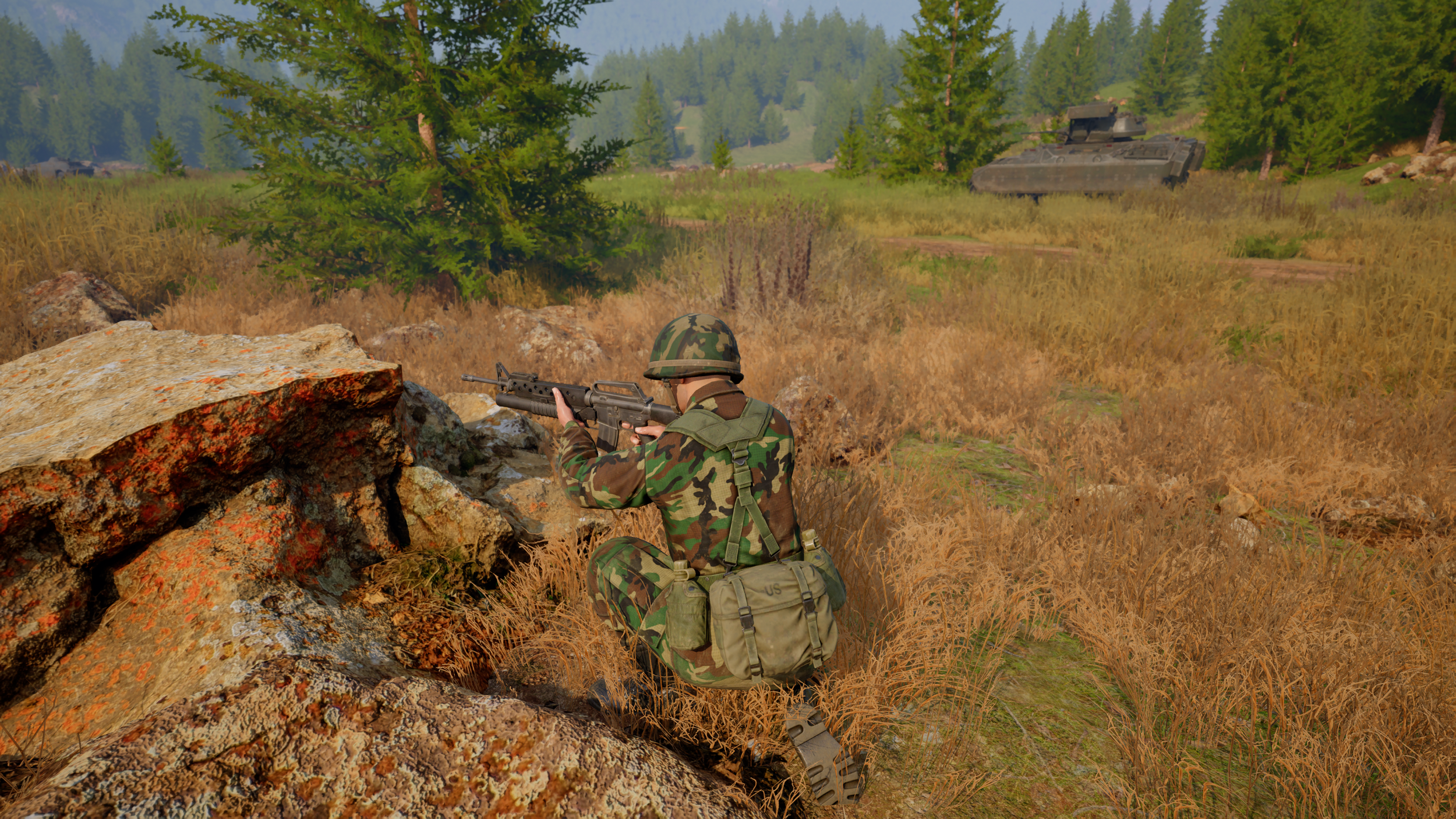
Ambush. In-game Unreal Engine 5.
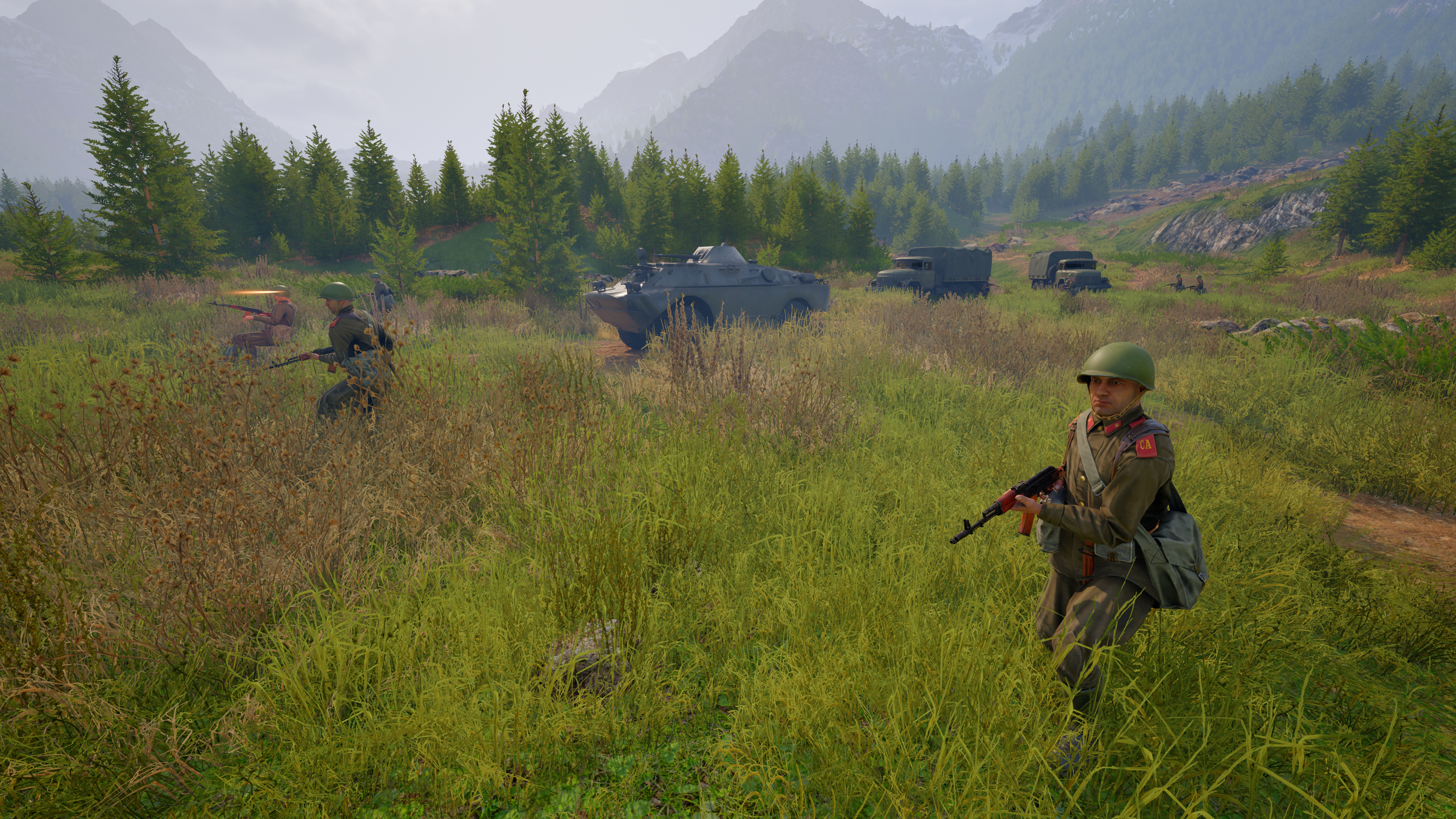
Ambush. In-game Unreal Engine 5.
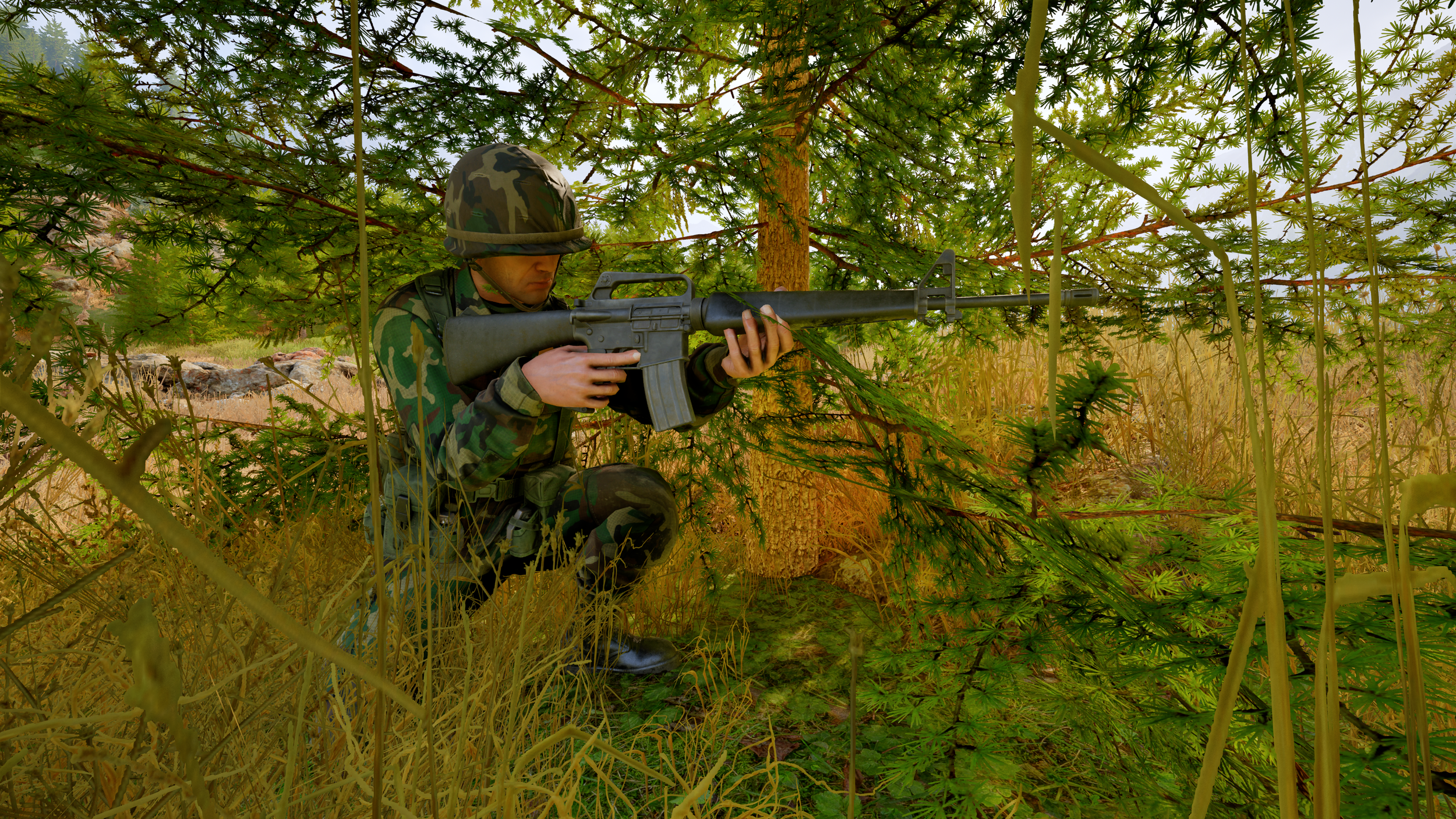
Ambush. In-game Unreal Engine 5.
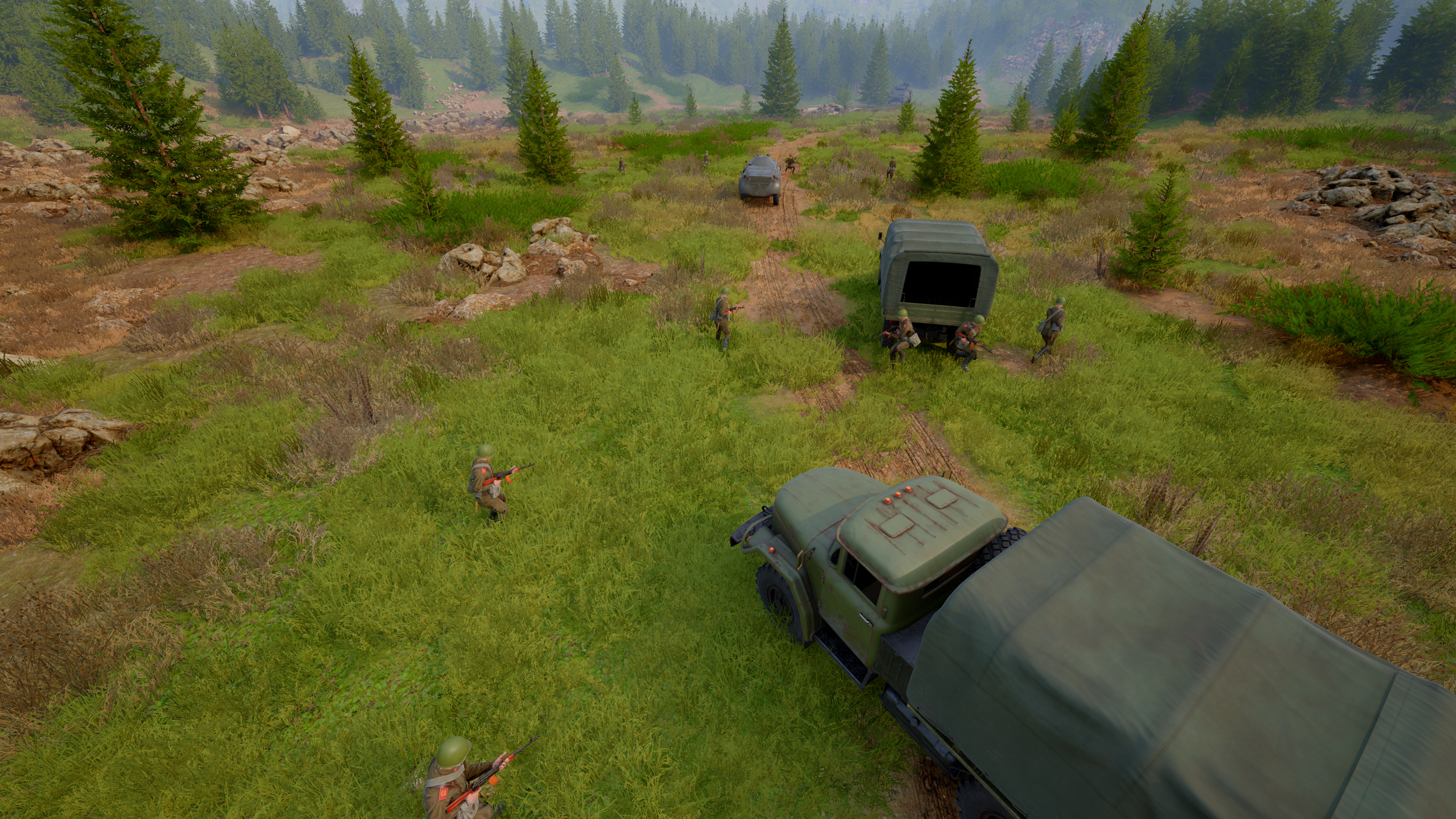
Ambush. In-game Unreal Engine 5.
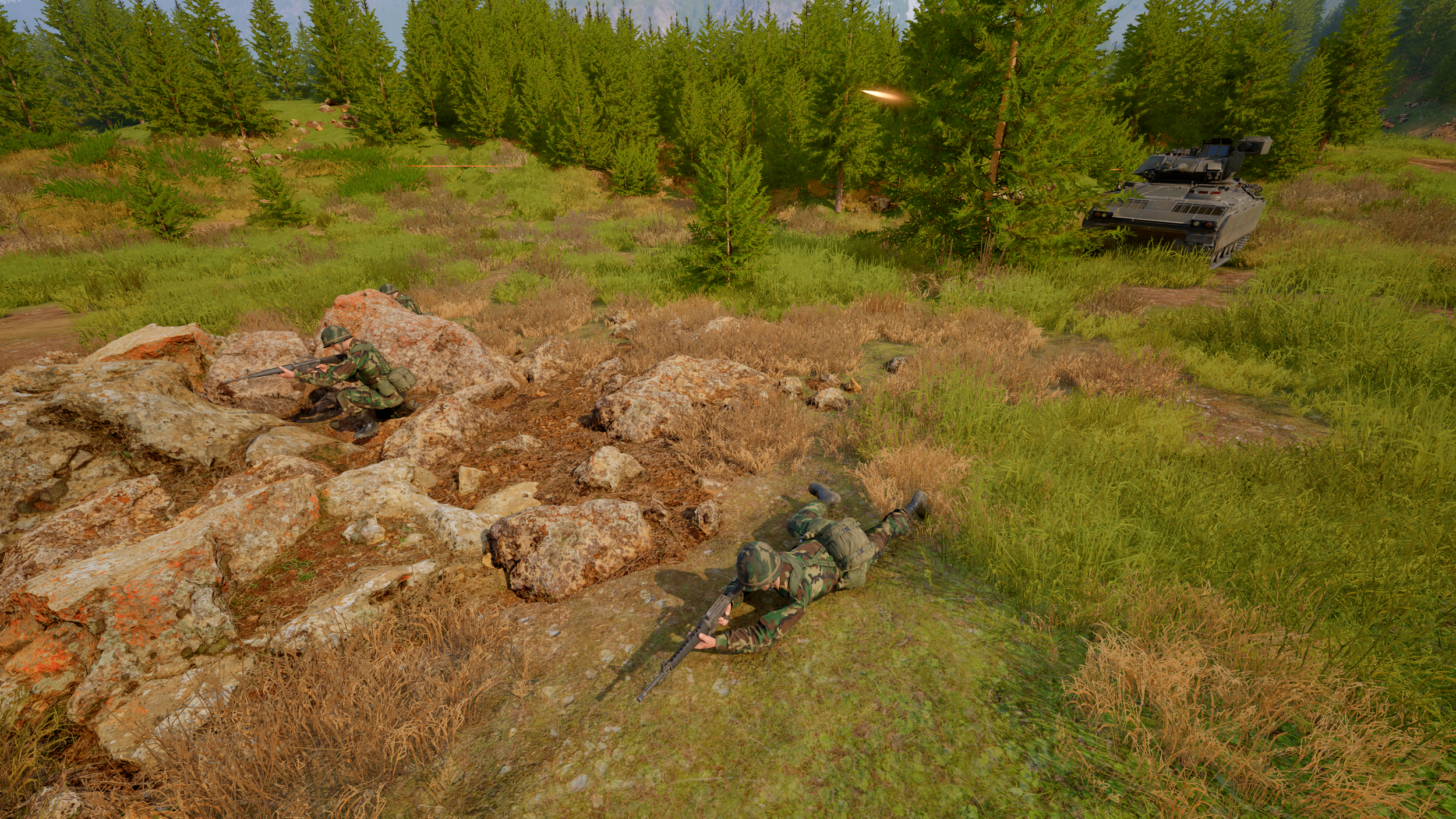
Ambush. In-game Unreal Engine 5.
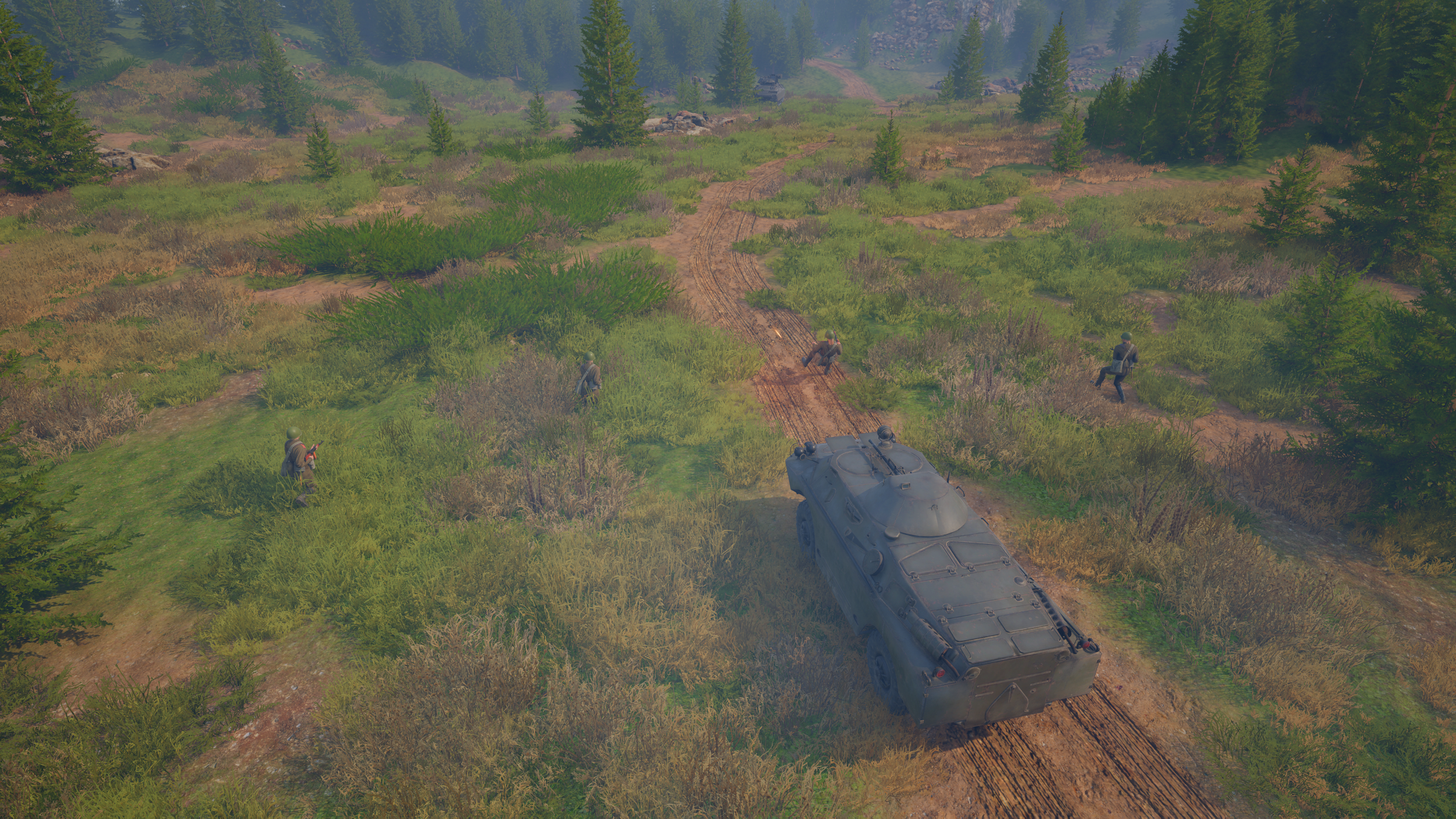
Ambush. In-game Unreal Engine 5.
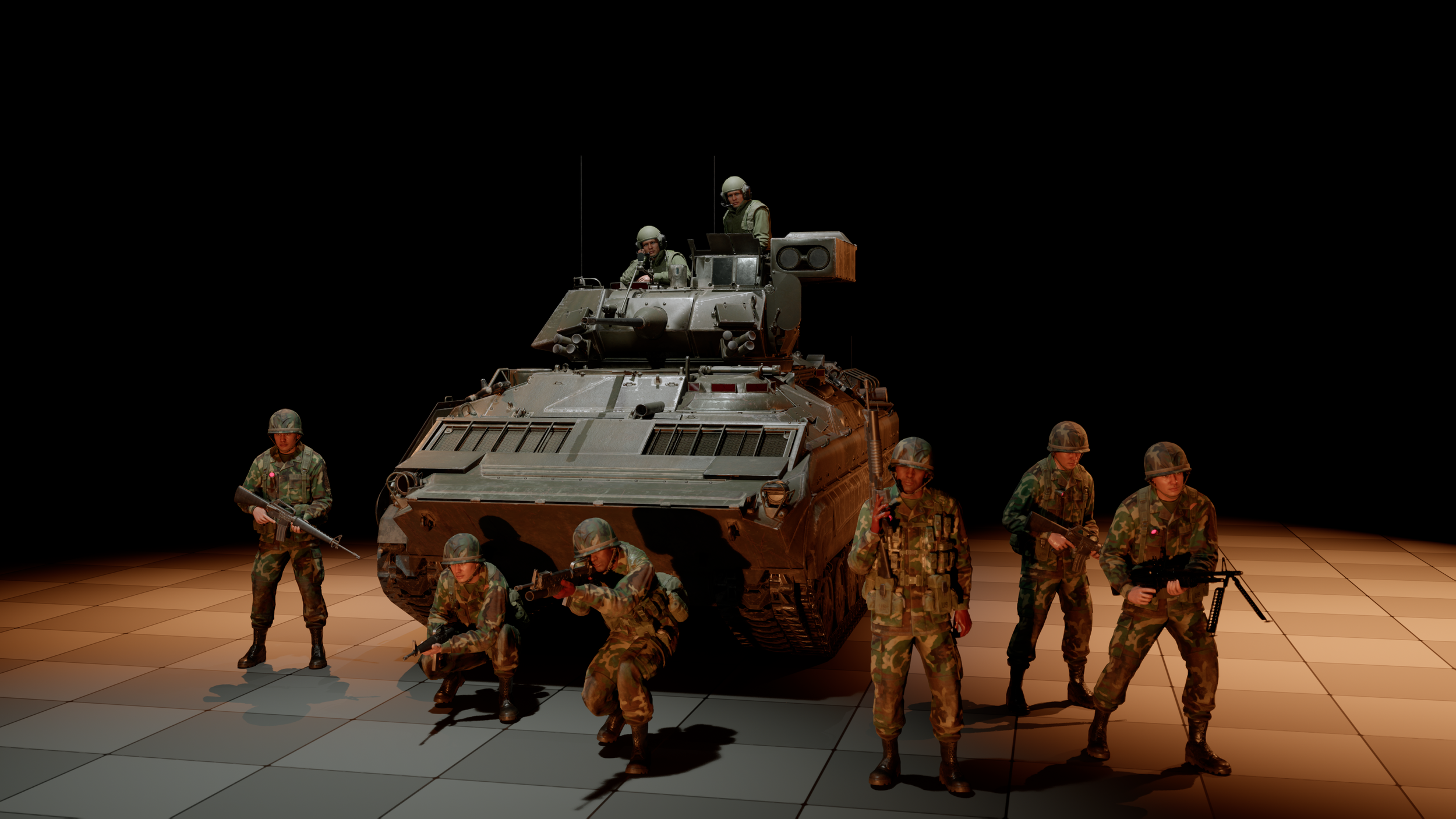
US Mechanized Squad. 1985. Unreal Engine 5.
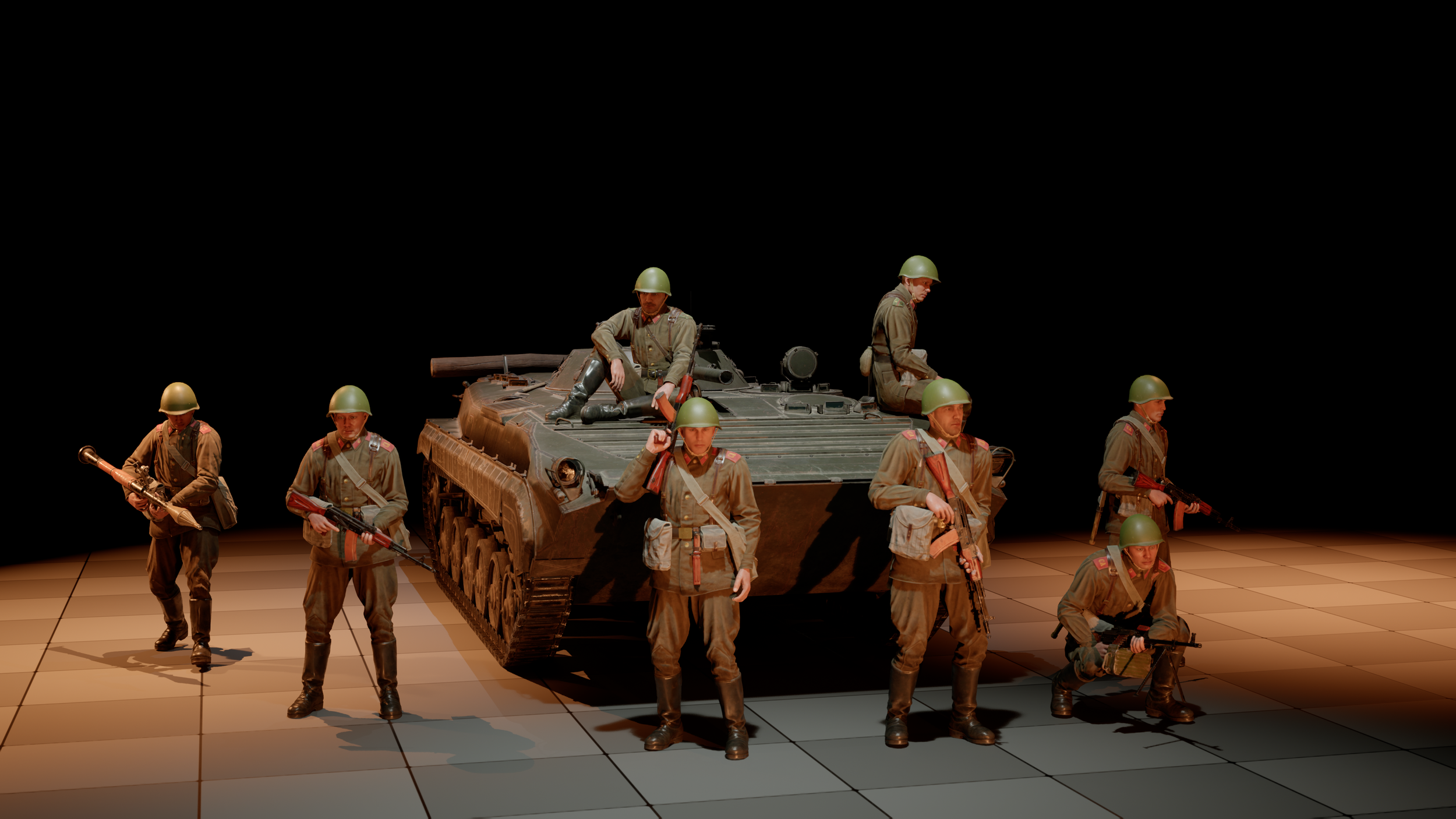
USSR Motor Rifles BMP-1 Squad. 1985. Unreal Engine 5.
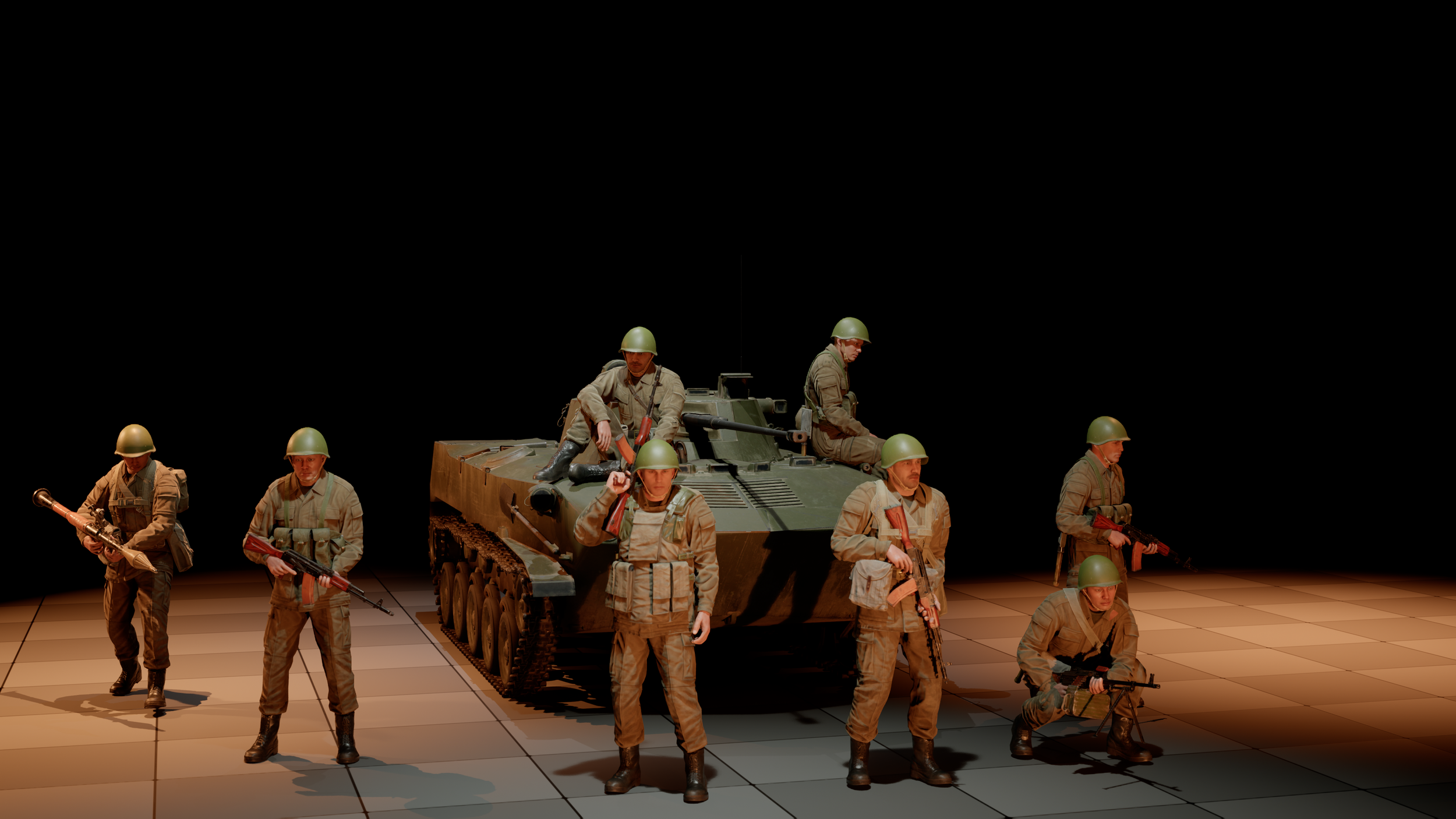
USSR Airborne BMD-2 Squad. 1985. Unreal Engine 5.
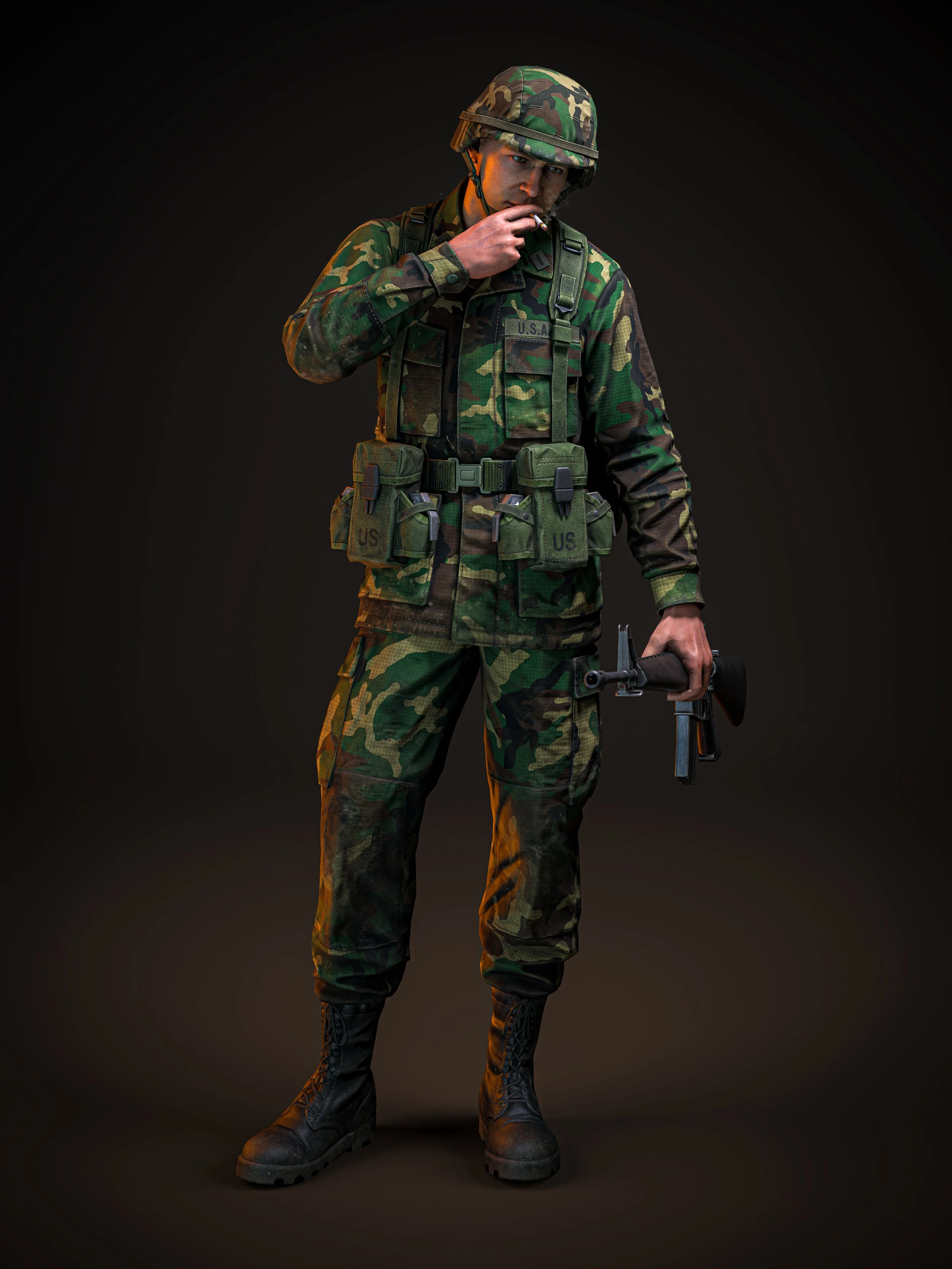
US Mechanized Infantryman. Circa 1985. Render.
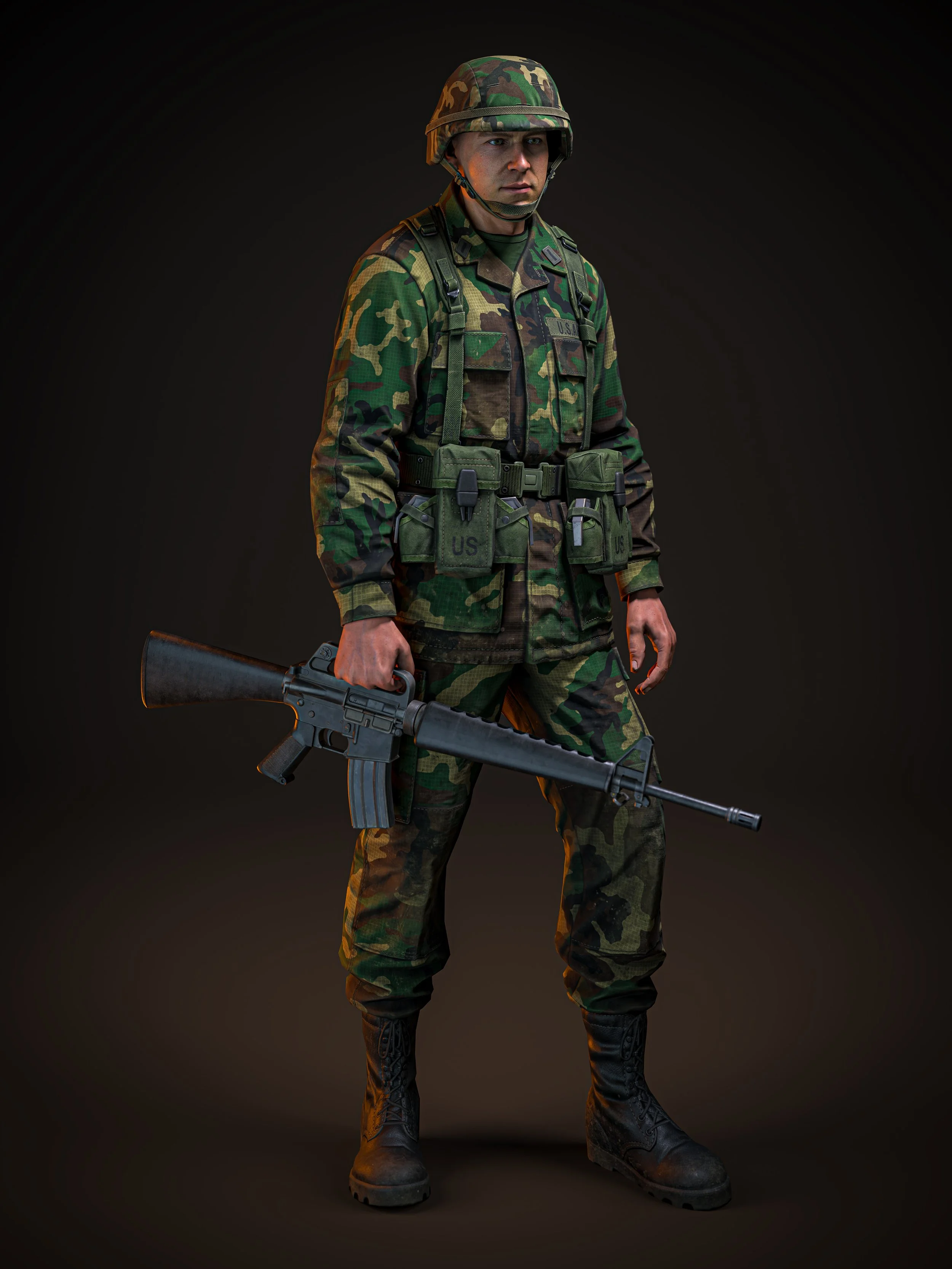
US Mechanized Infantryman. Circa 1985. Render.
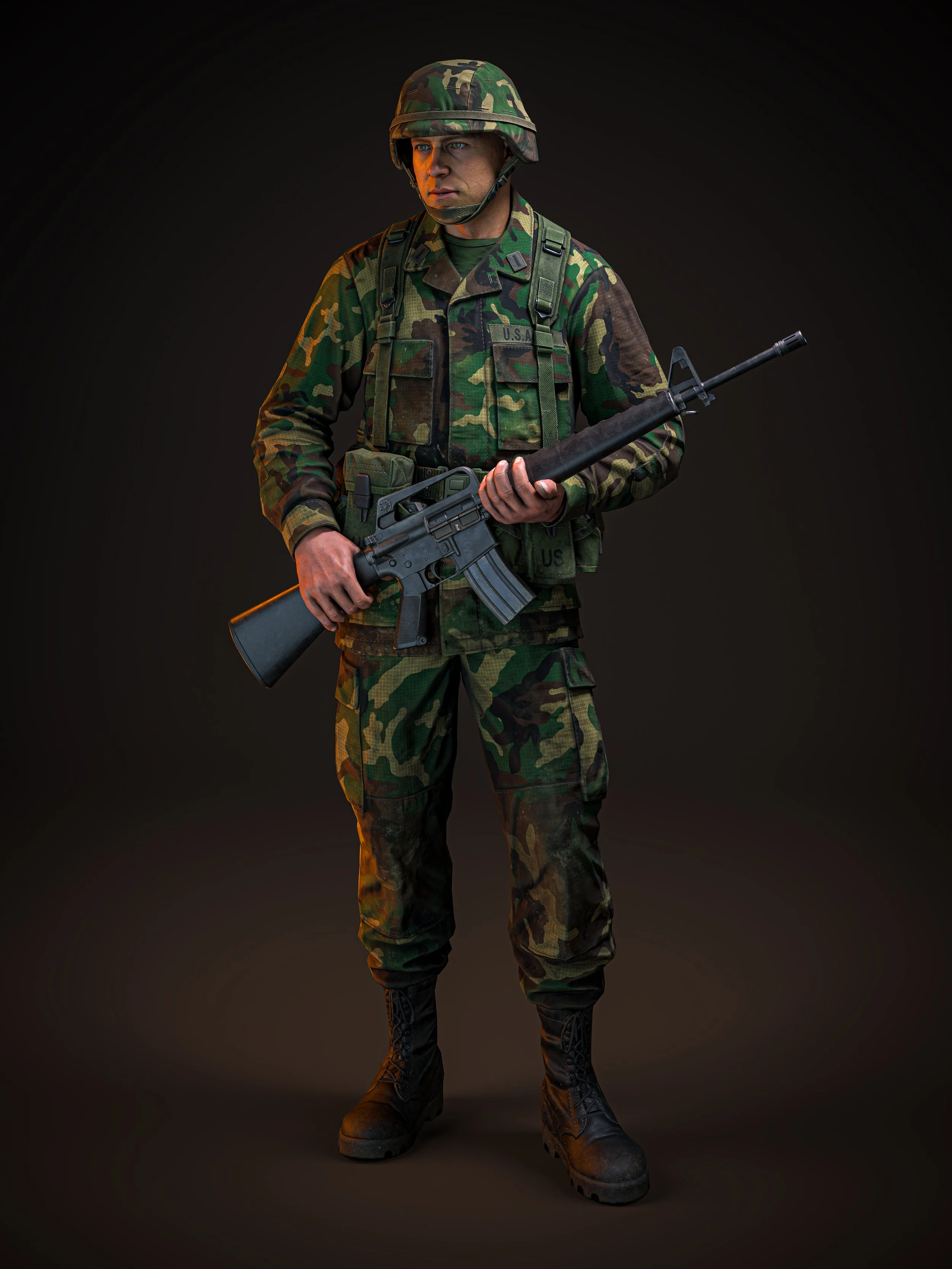
US Mechanized Infantryman. Circa 1985. Render.
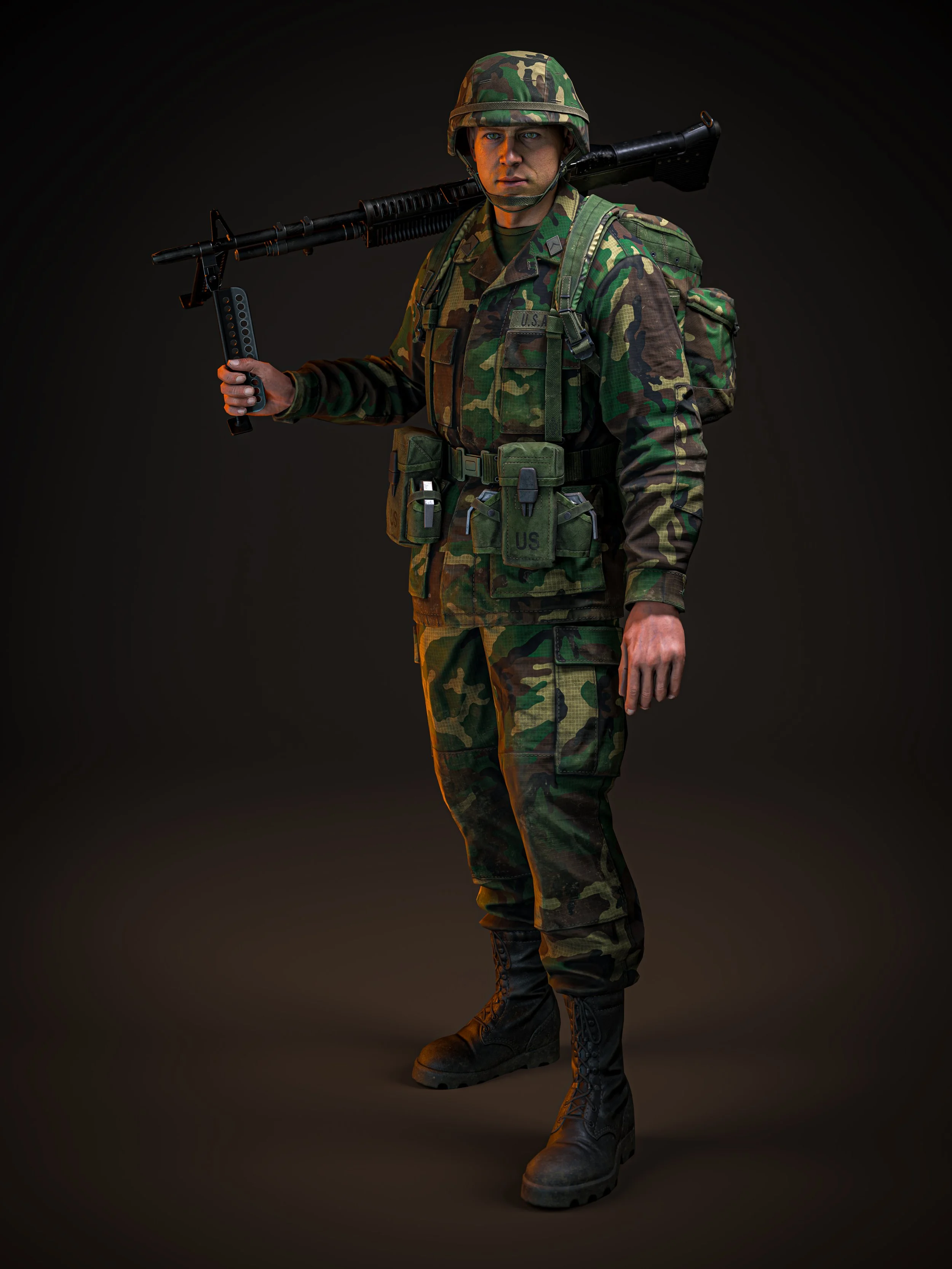
US Mechanized Infantryman. Circa 1985. Render.
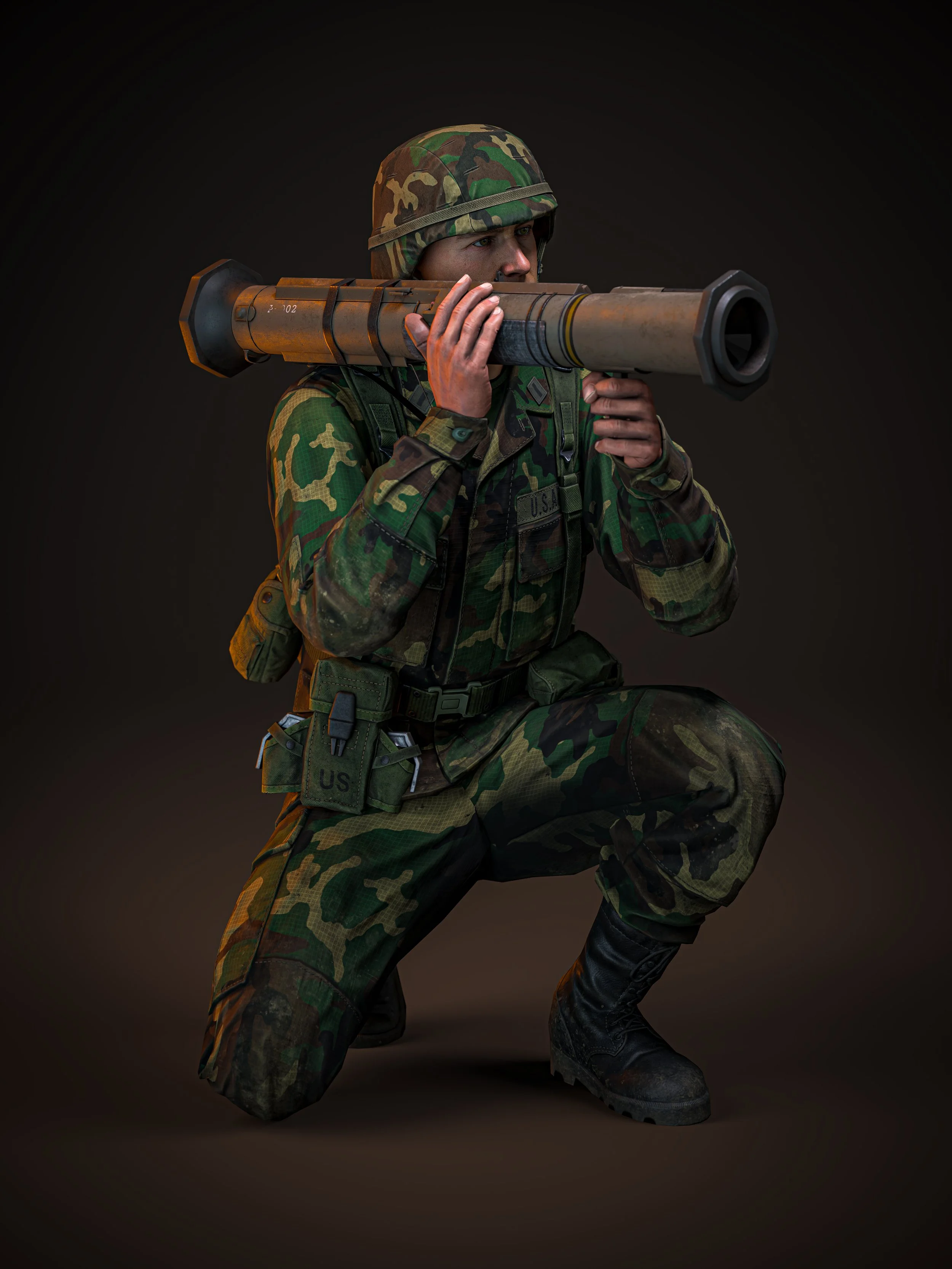
US Mechanized Infantryman. Circa 1985. Render.
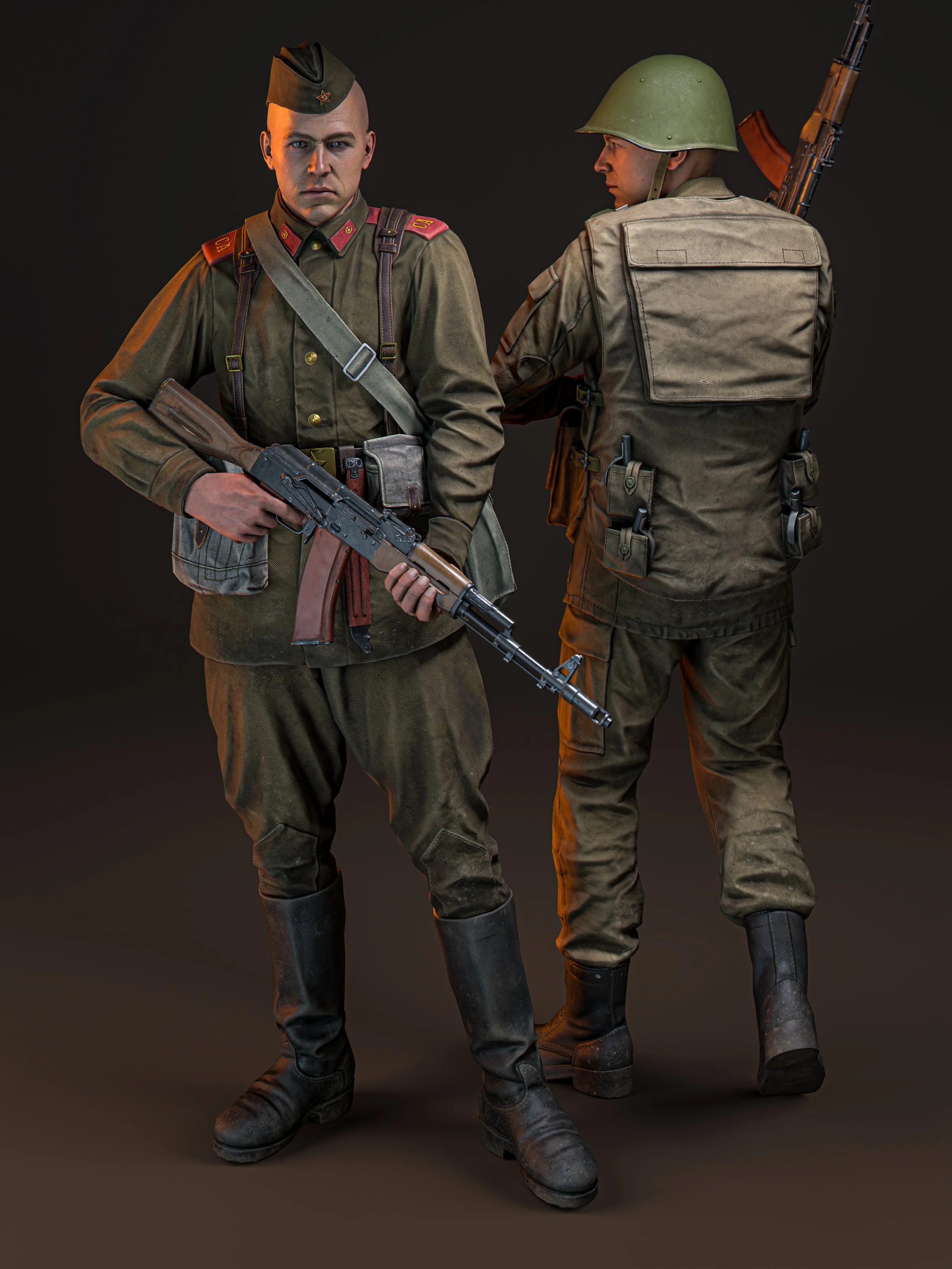
Soviet Motorized Rifleman and Airborne Infantryman. Circa 1985. Render.
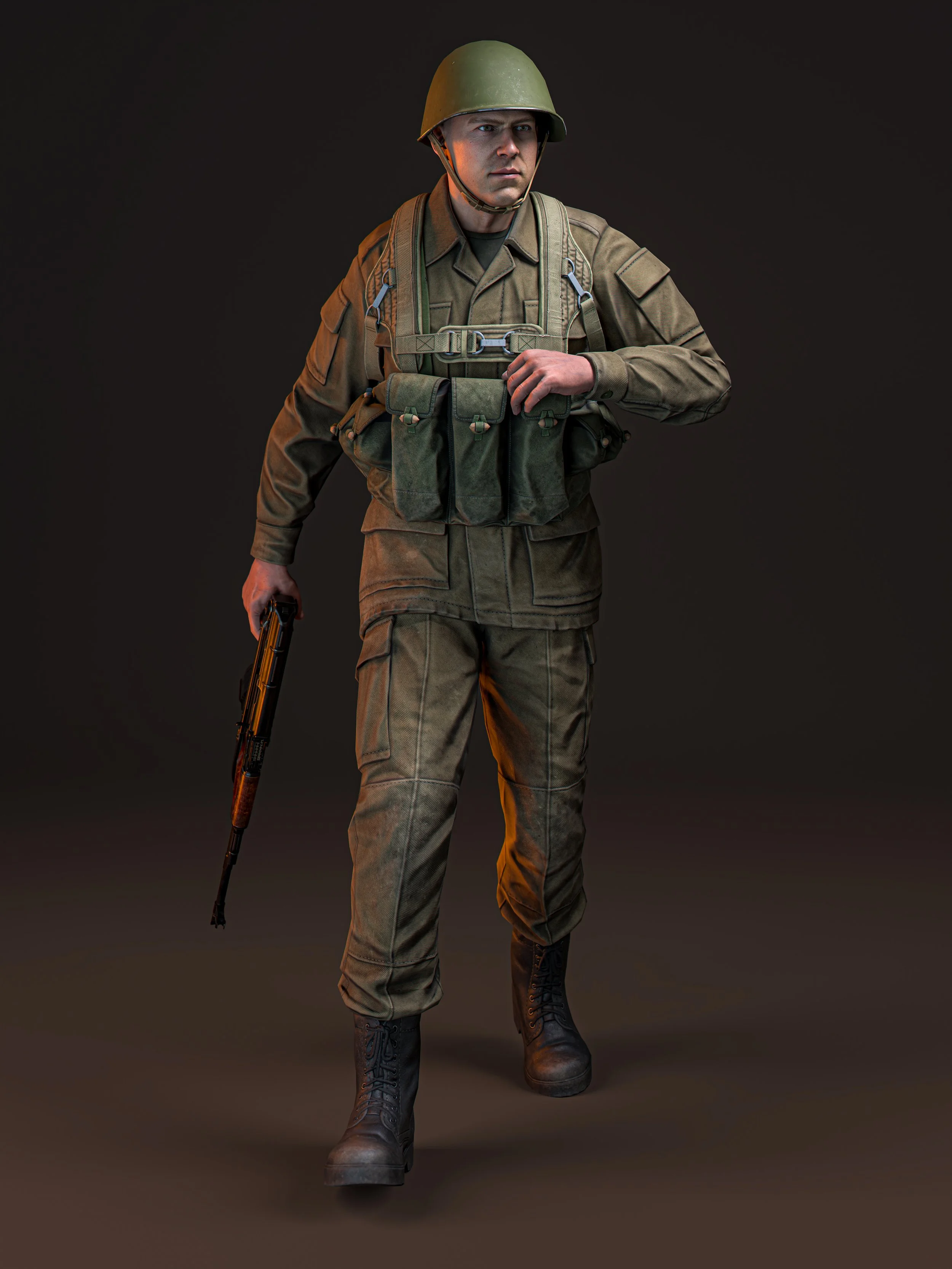
Soviet Airborne Infantryman. Circa 1985. Render.
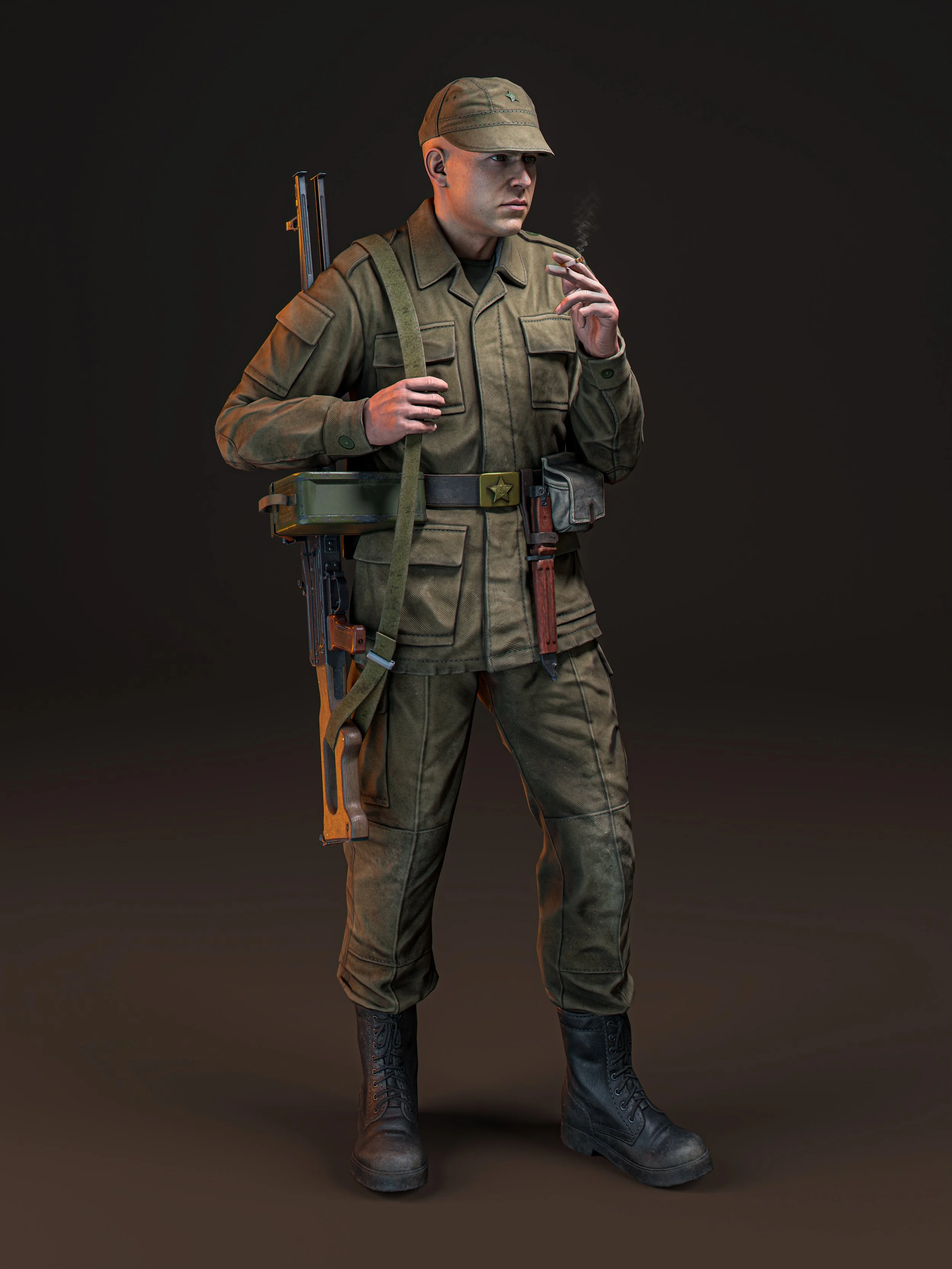
Soviet Airborne Infantryman. Circa 1985. Render.
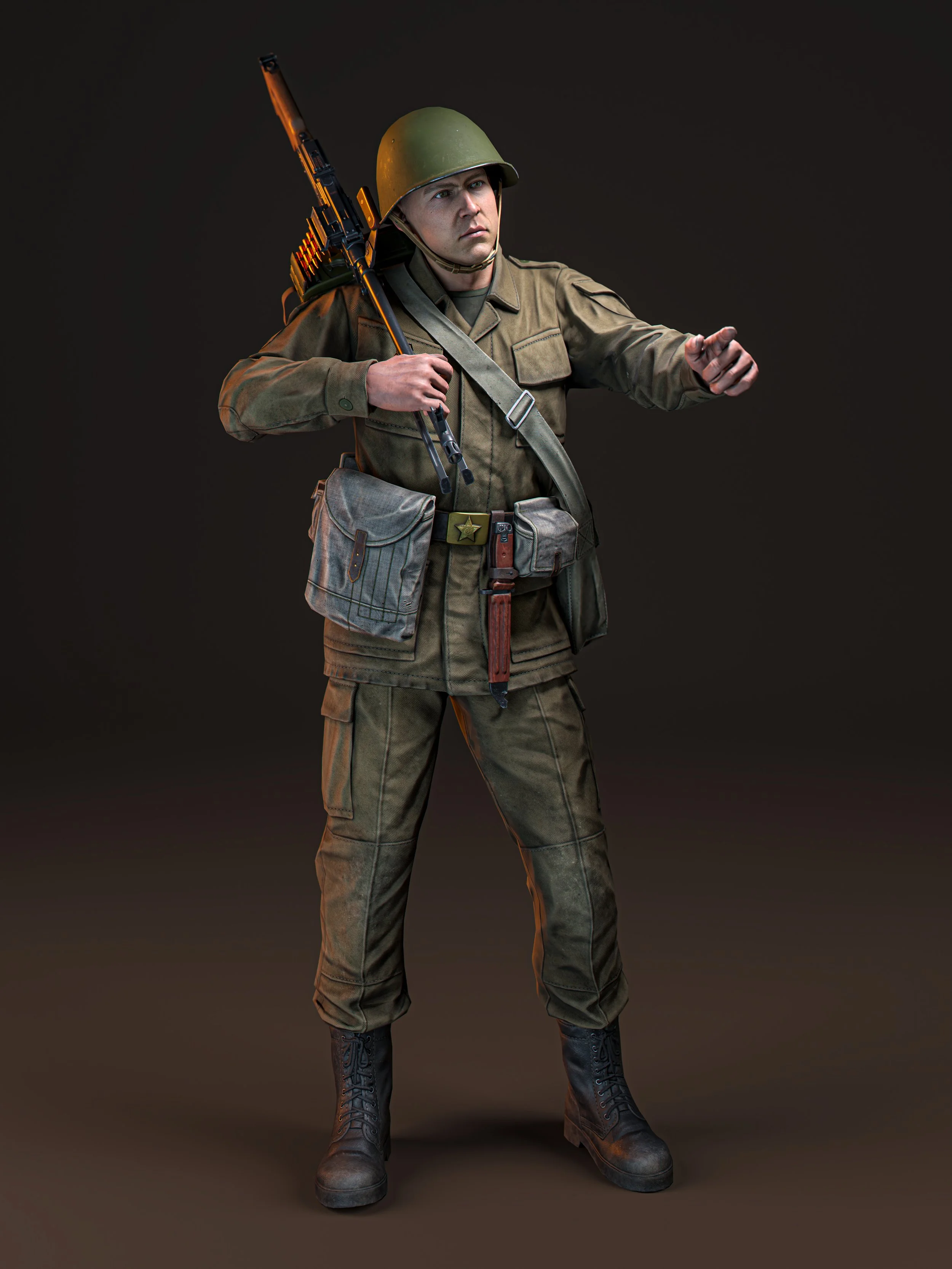
Soviet Airborne Infantryman. Circa 1985. Render.
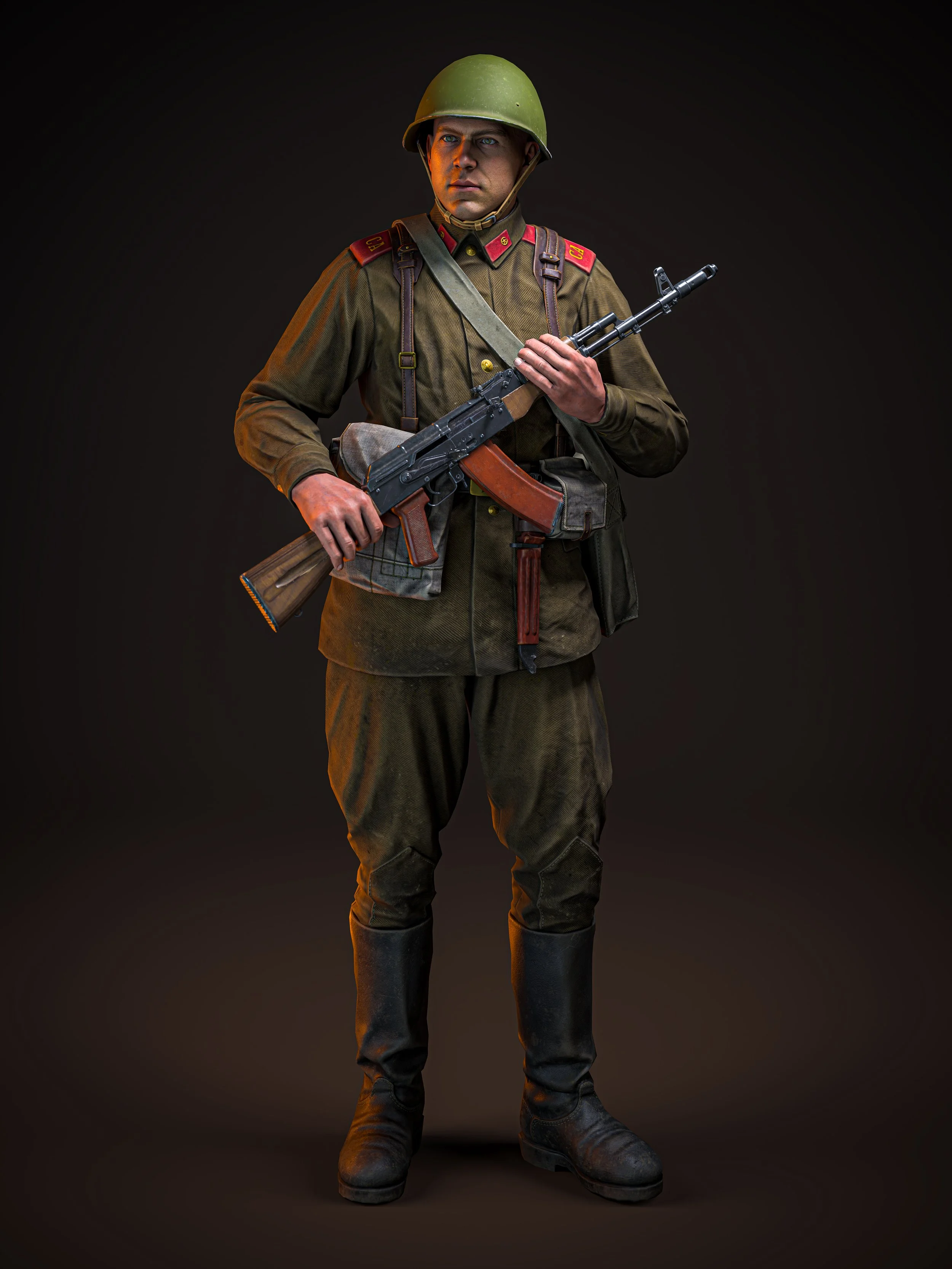
Soviet Motorized Rifleman. Circa 1985. Render.
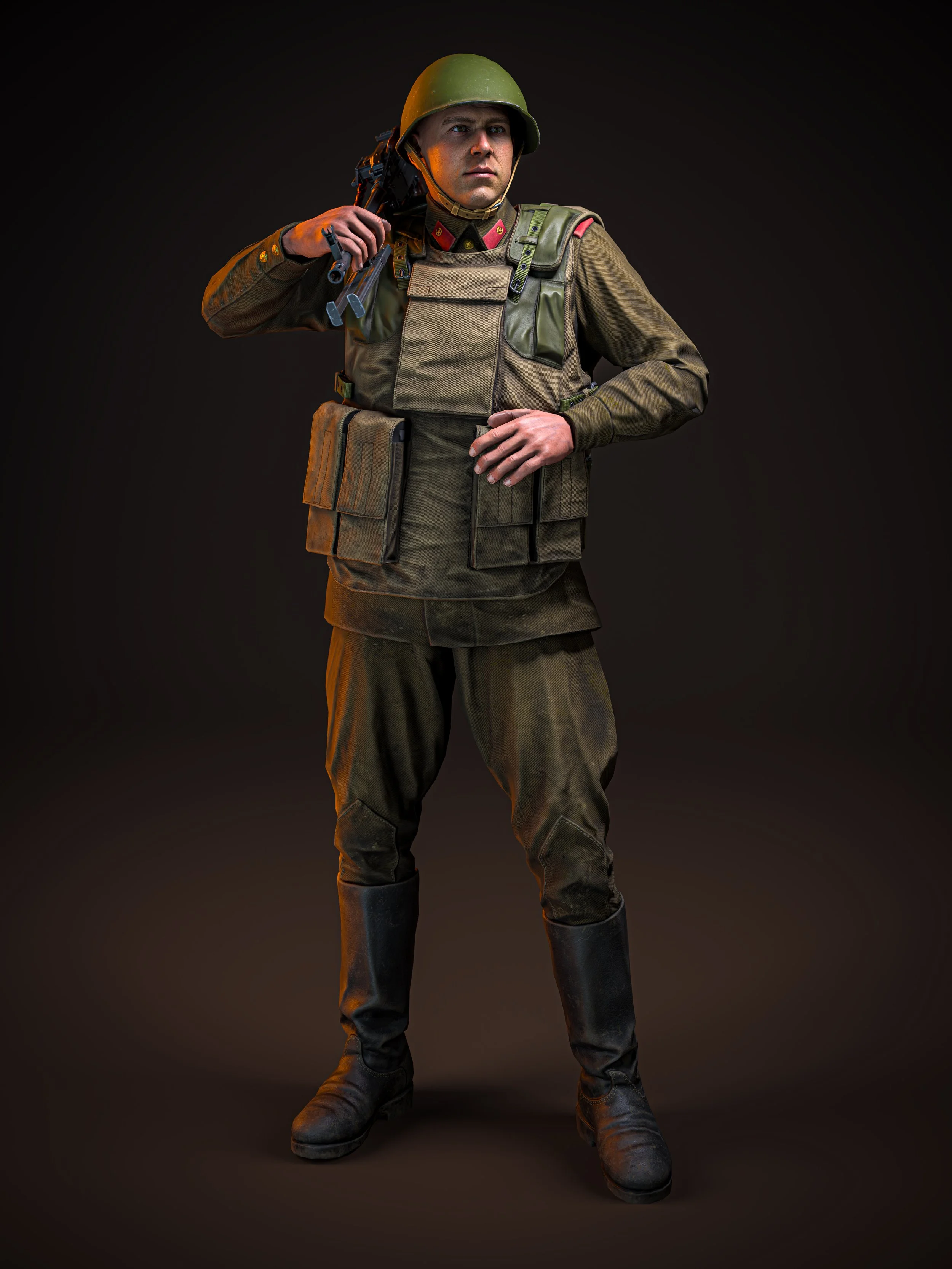
Soviet Motorized Rifleman. Circa 1985. Render.
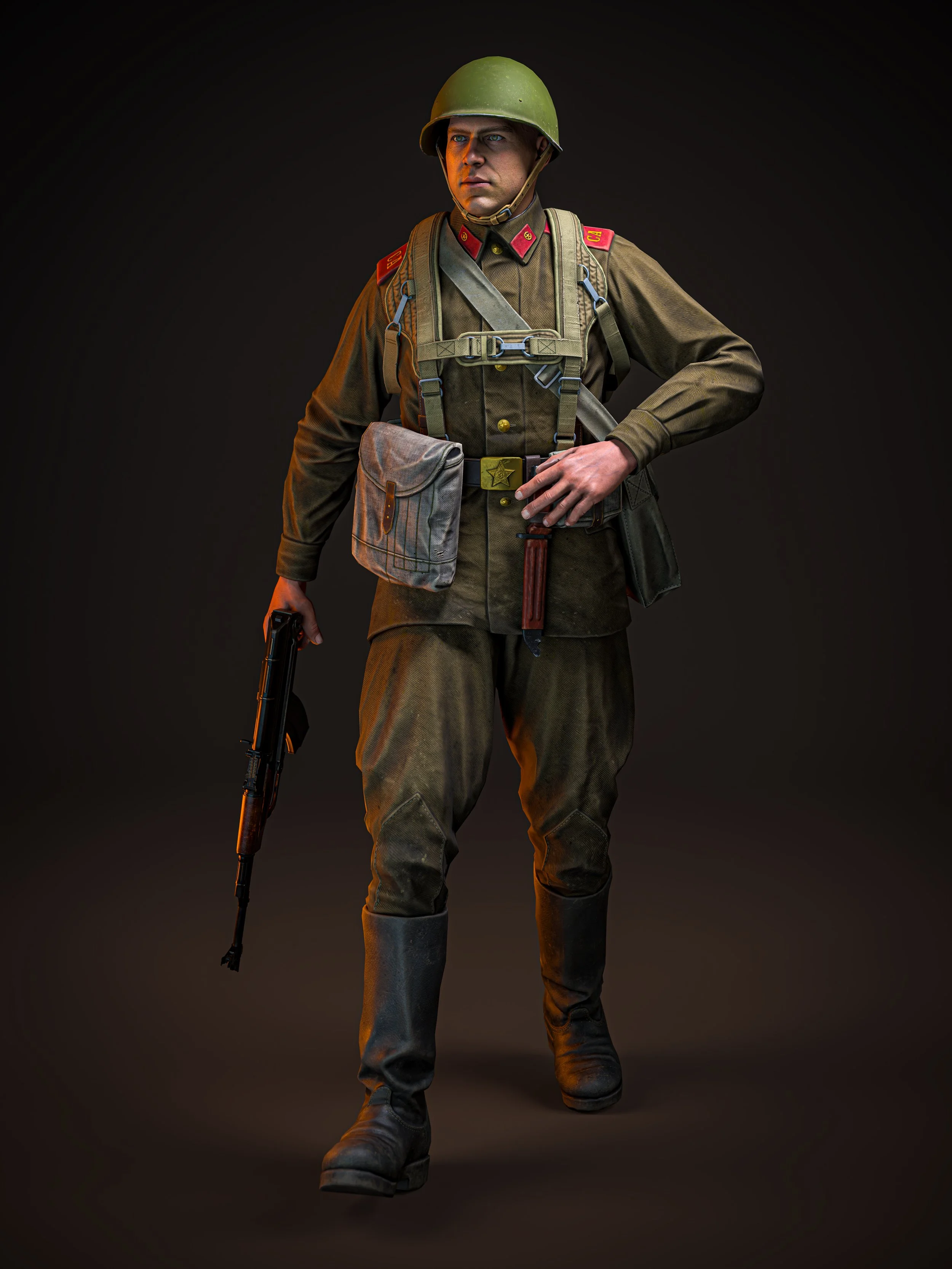
Soviet Motorized Rifleman. Circa 1985. Render.
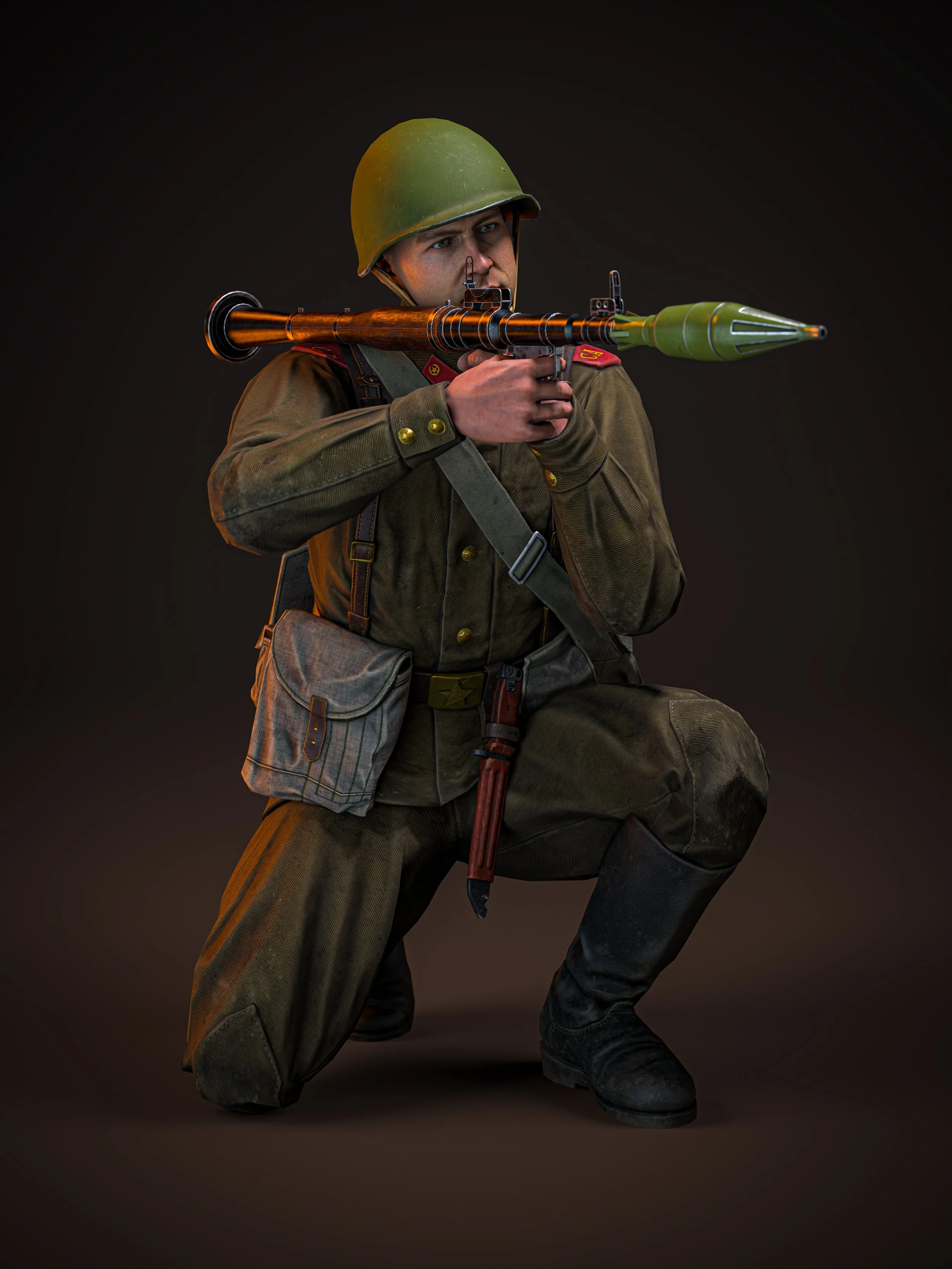
Soviet Motorized Rifleman. Circa 1985. Render.
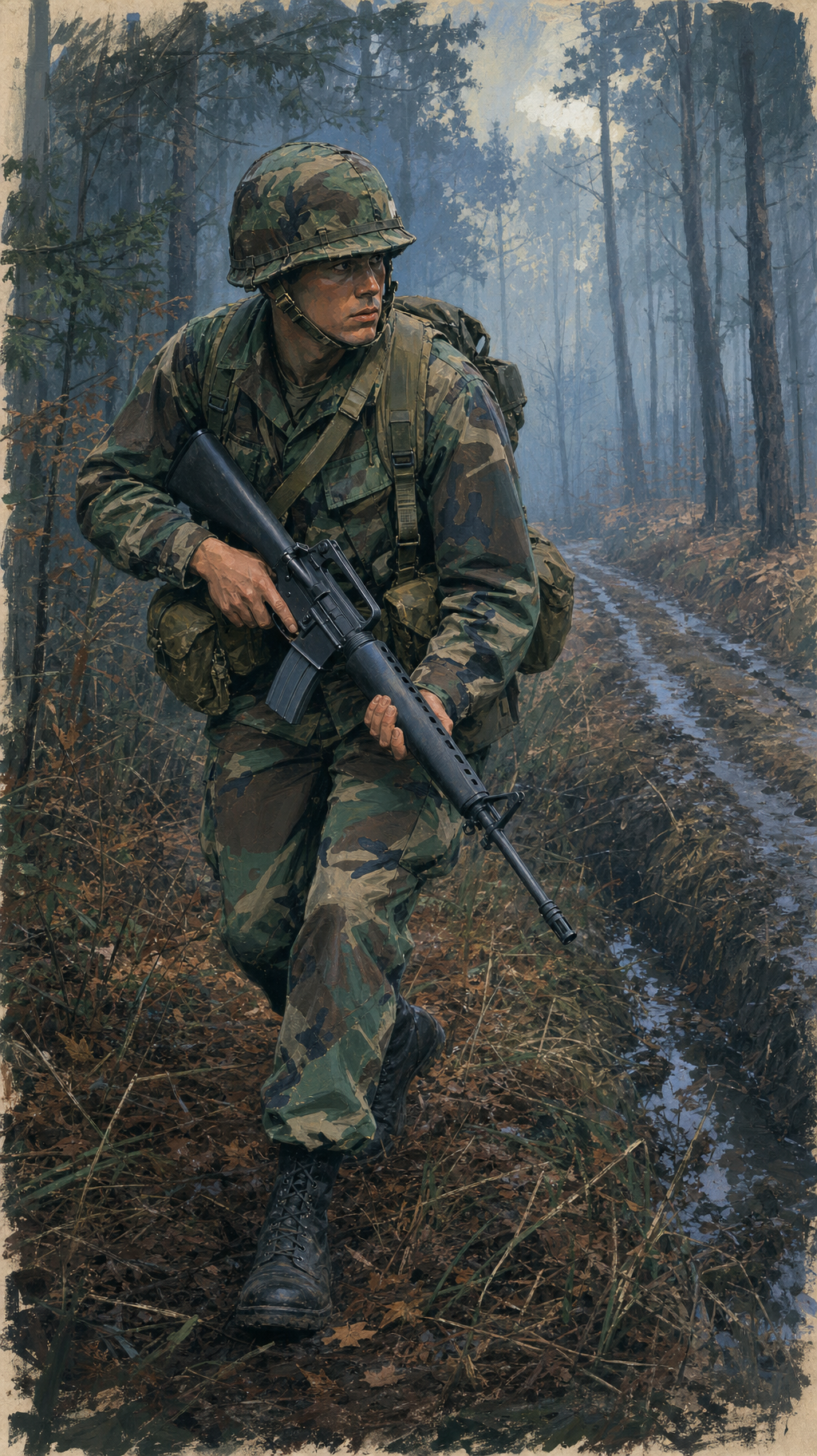
US Mechanized Infantry infantryman, West Germany, circa 1985
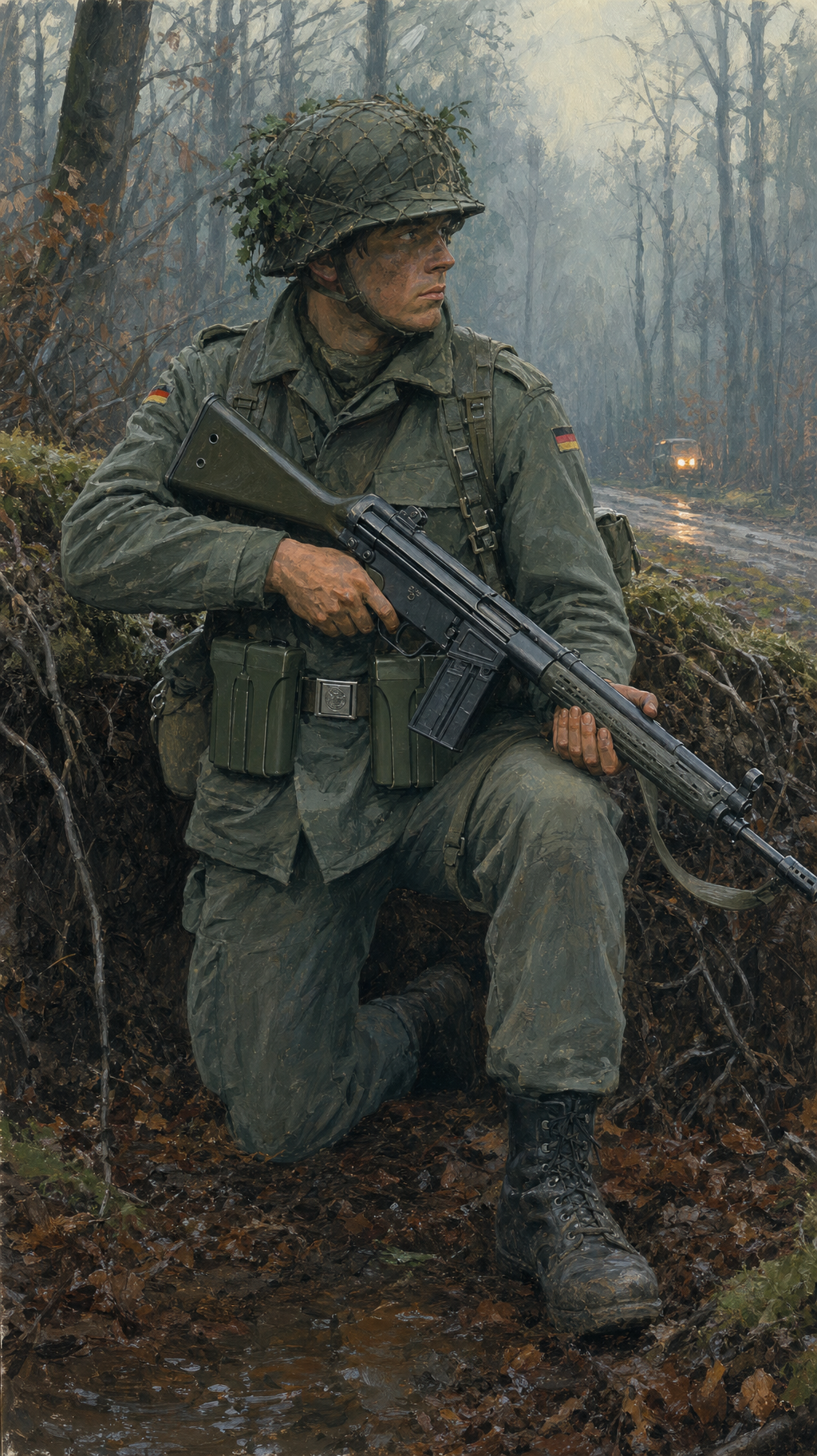
West German Bundeswehr grenadier, West Germany, circa 1985
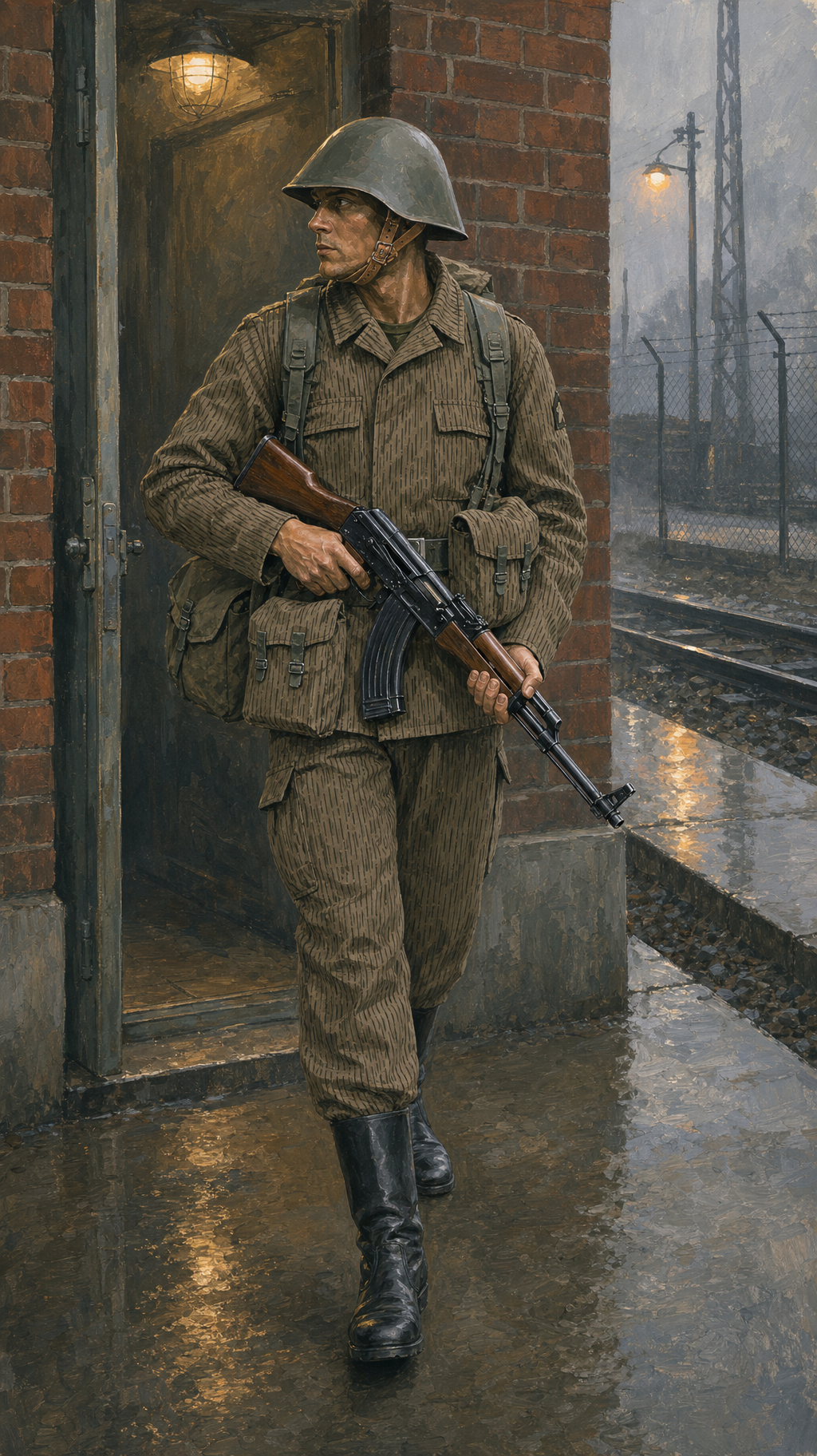
NVA (National Volks Armee) Motorschuetze (Motor Rifleman), East Germany, circa 1985
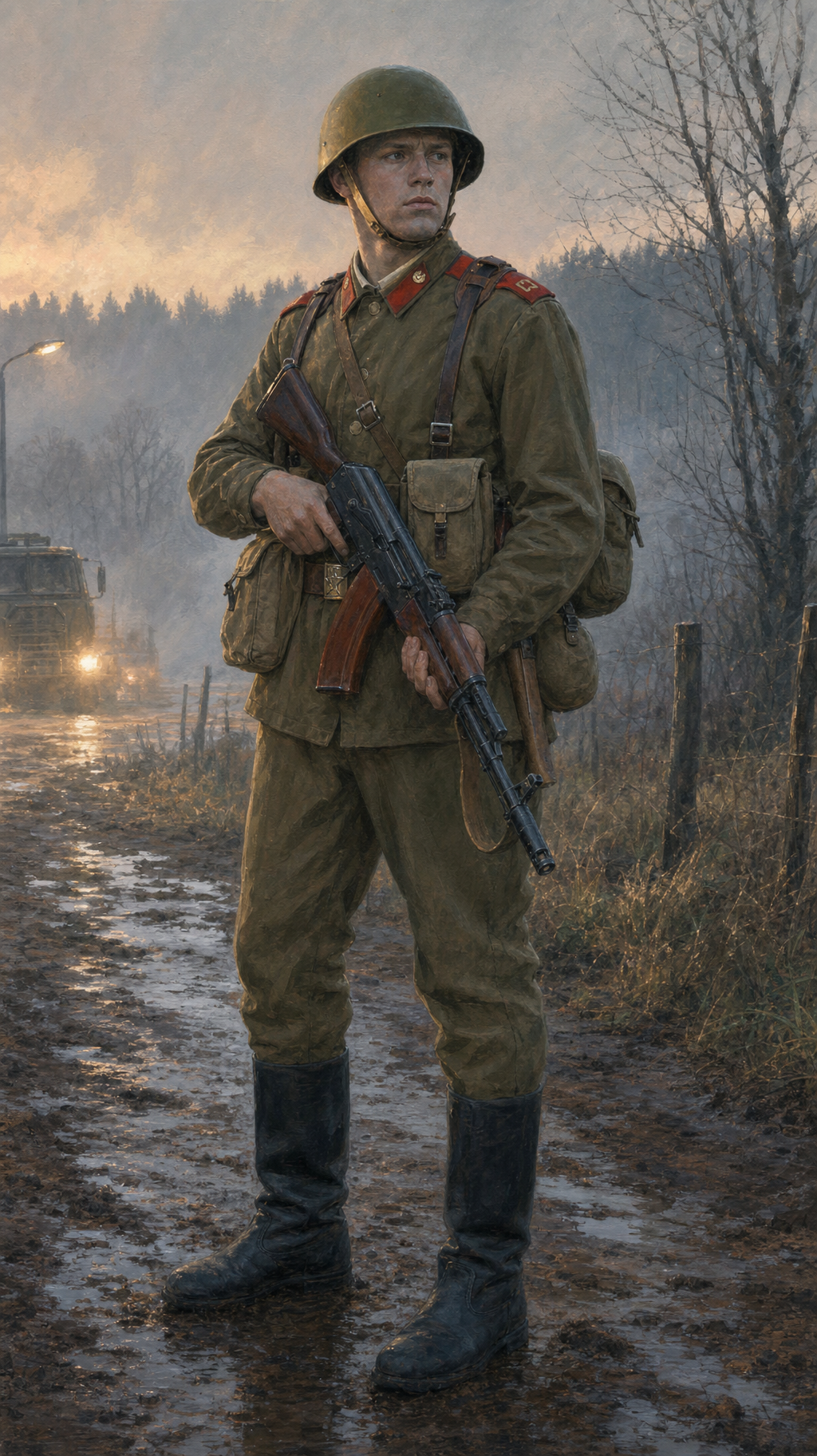
Soviet Motor Rifles Infantryman, East Germany, circa 1985
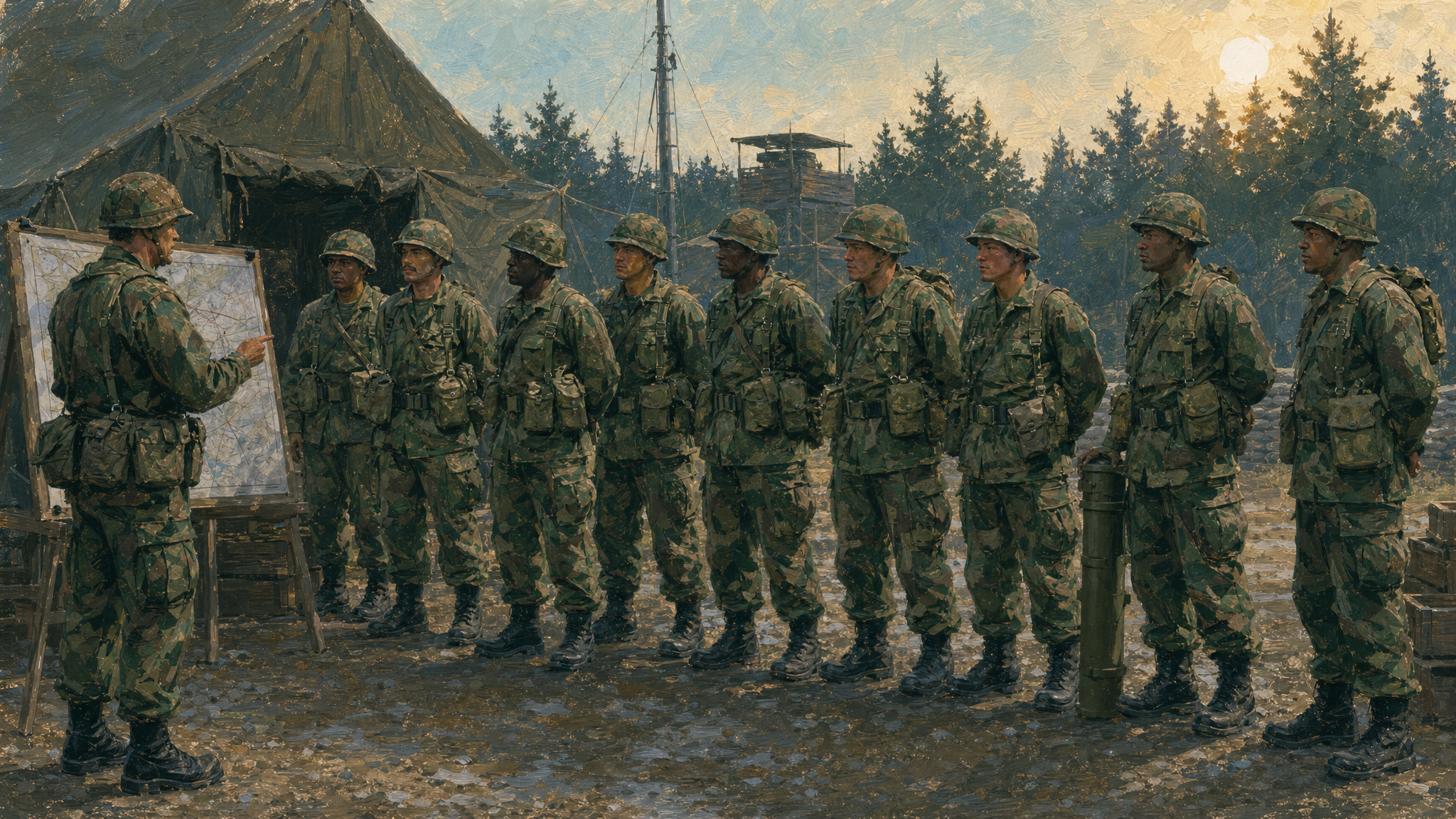
US Mechanized Infantry squad receives a morning briefing from their Squad Leader, West Germany, circa 1985
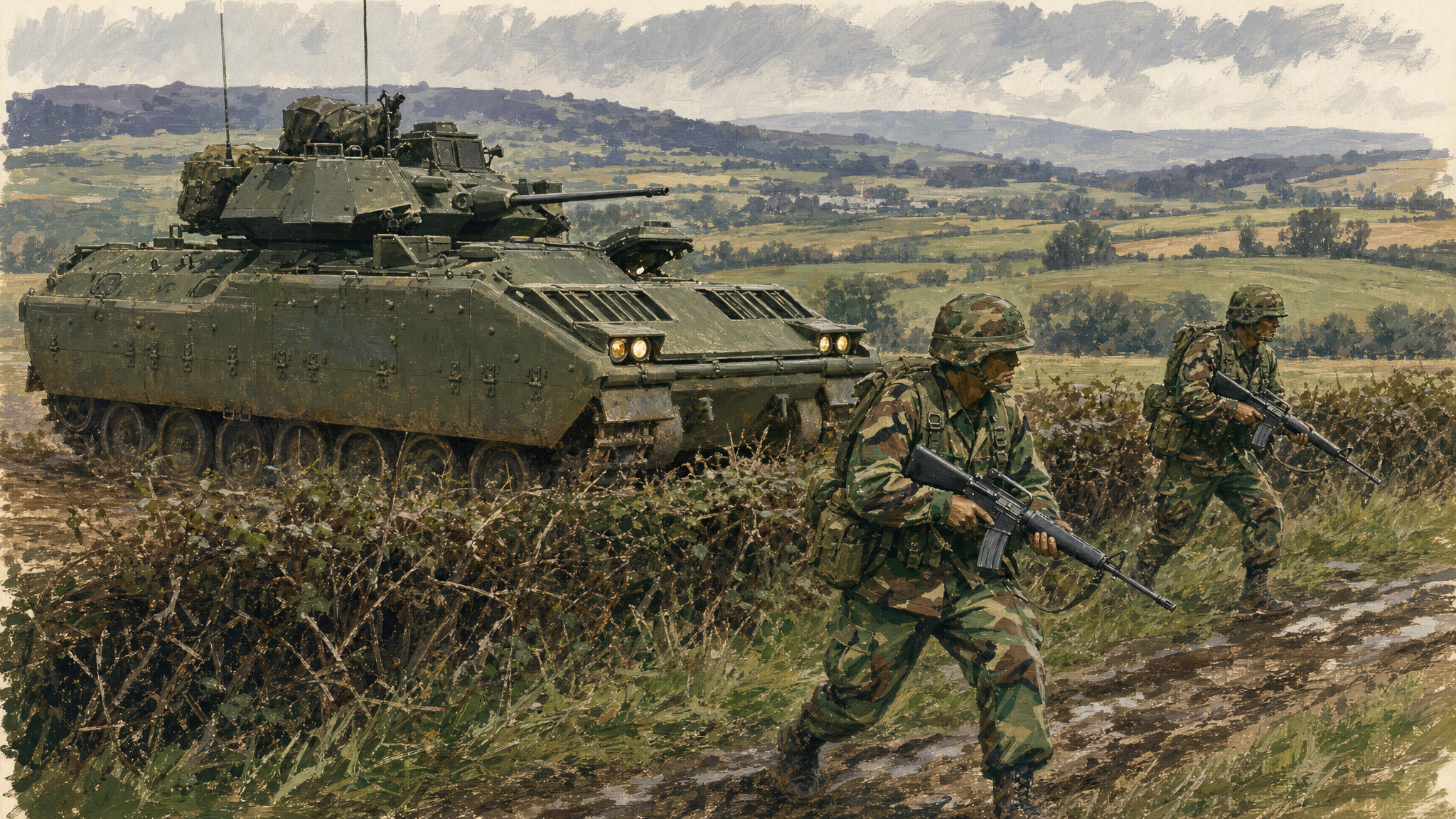
US Mechanized Infantry Bradley M2 and its dismounted element advances through open ground, West Germany, circa 1985
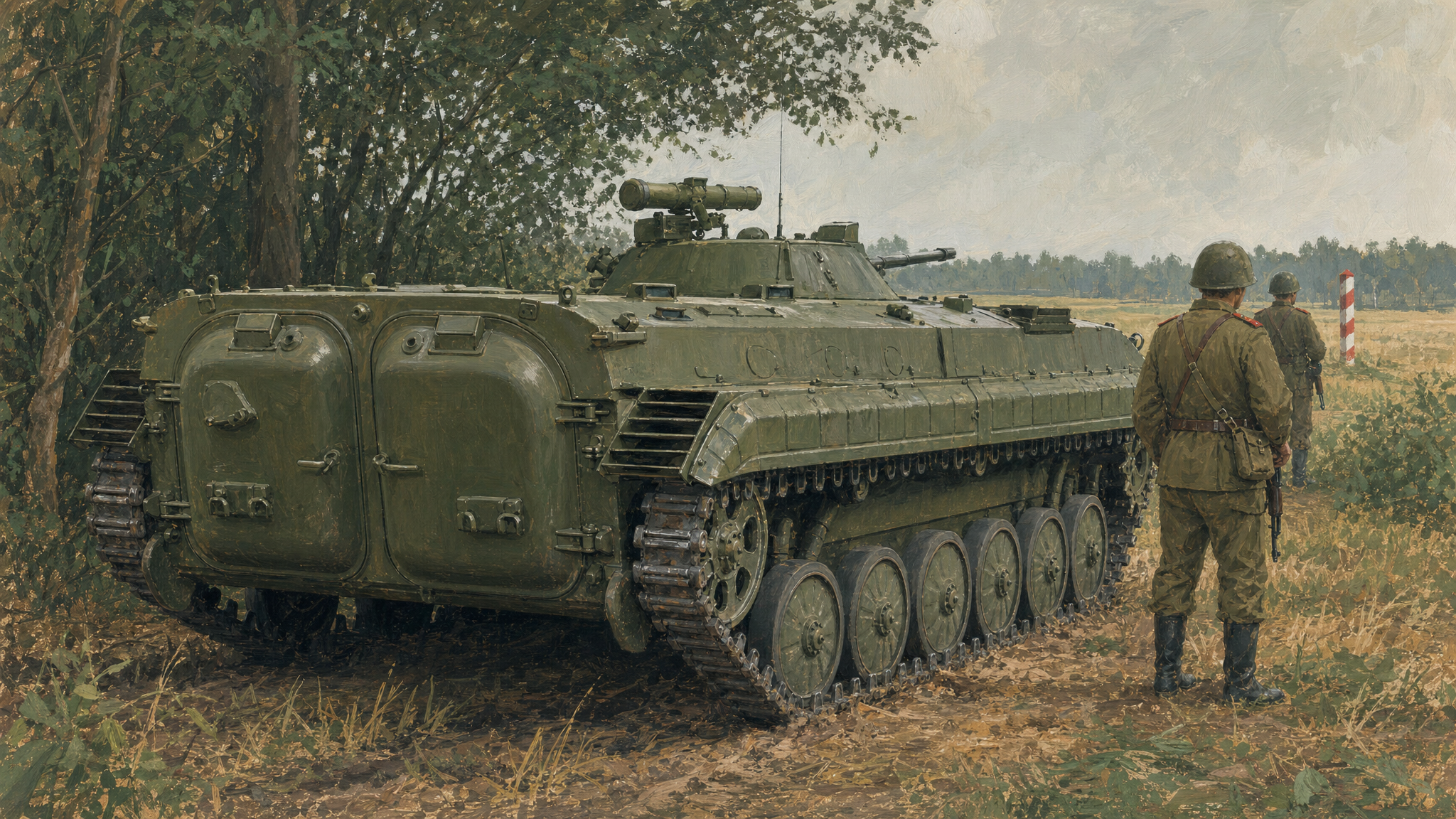
Soviet Motor Rifle element on patrol, East Germany, circa 1985